Card bag/coin wallet

Factory Direct Leather Handbags | ODM Suppliers for Custom Bags

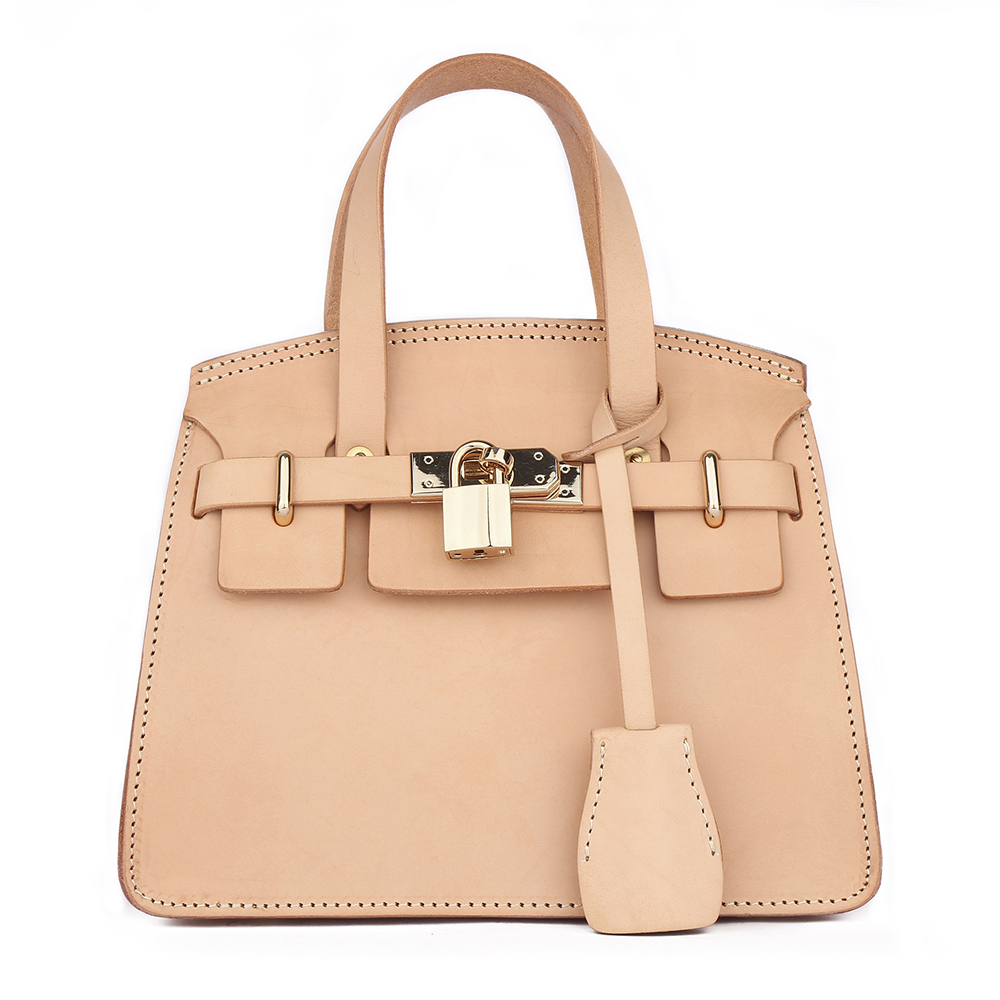
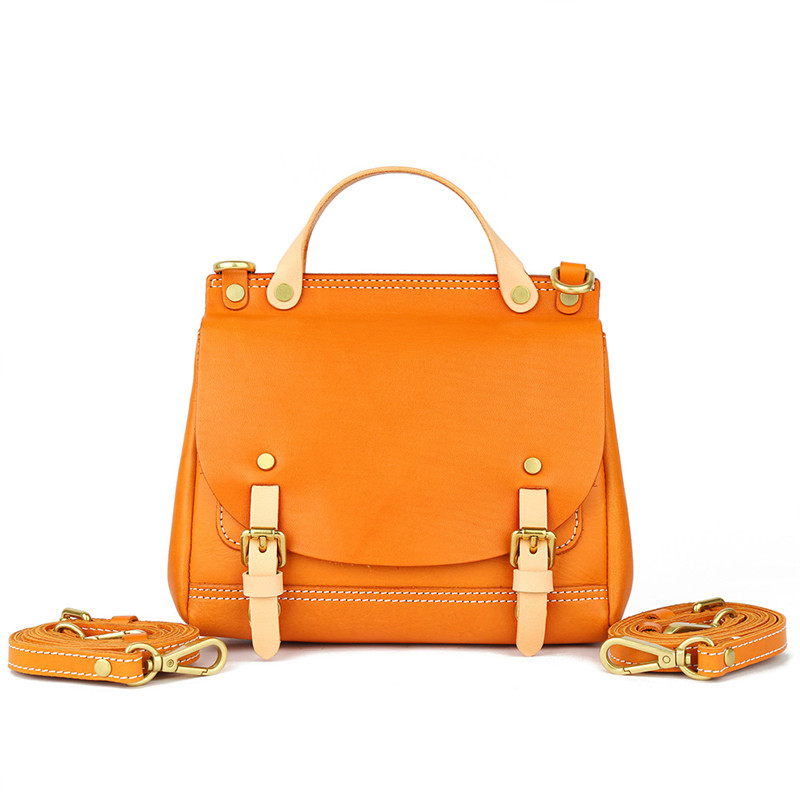
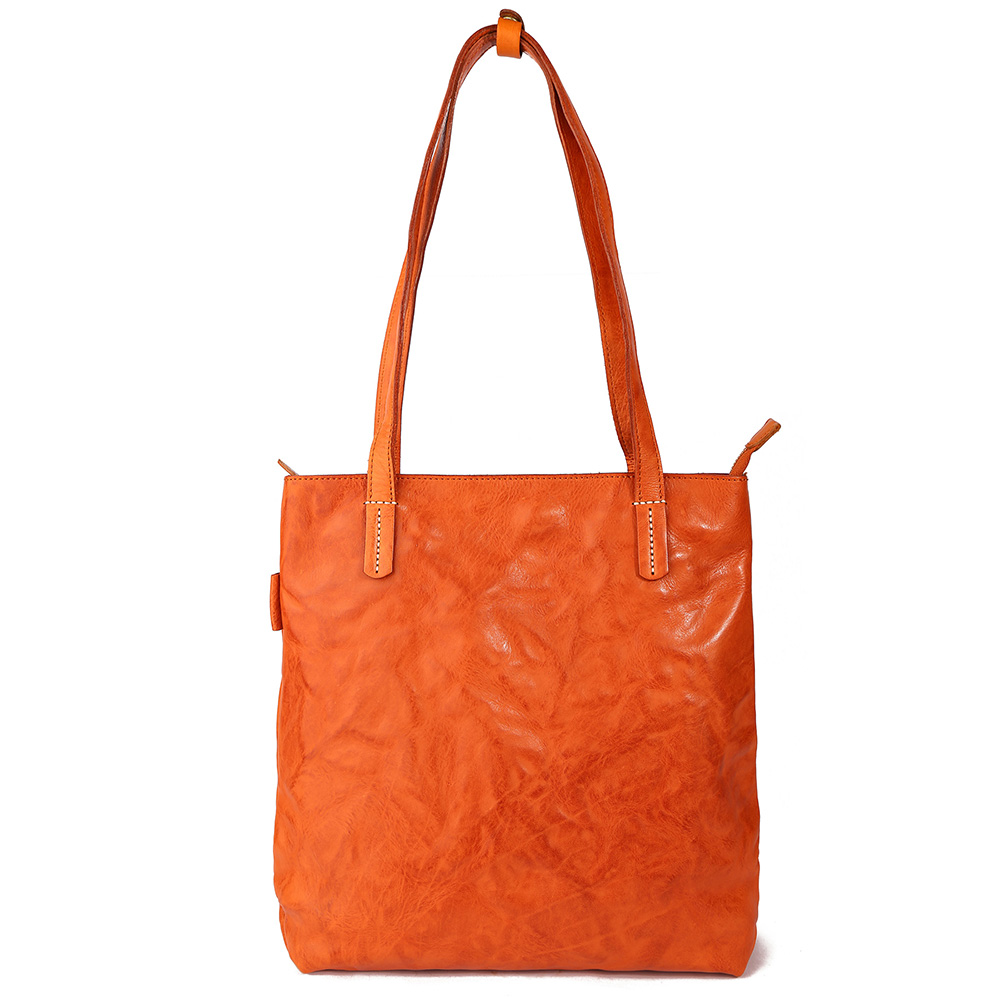
I am the person behind a factory direct leather handbags program, delivering real value to brands that want control over design and timing. Our ODM capabilities mean you can customize size, color, logos, stitching, and hardware, while I manage the production from leather cuts to finished bags. I work with a reliable group of Suppliers to keep material quality high and costs predictable, so you can scale without surprises. Because these are factory direct, you get shorter lead times, better margins, and transparent pricing. We offer private label or co-brand options, bulk packaging, and flexible MOQ to fit your forecast. I ship globally with documentation you need for import, and I can provide samples quickly for qualification. If you’re seeking a dependable partner for ODM projects and ongoing supply of leather handbags, you’ve found a suitable source.

Hot Selling Product

factory direct leather handbags in 2025 Exceeds Industry Benchmarks

Factory-direct leather handbags in 2025 are setting new benchmarks for quality, speed and value. By integrating design, tanning and production processes, our factory control delivers consistent finishes, tighter quality checks and full material traceability that outperforms traditional sourcing. Buyers benefit from lower landed costs, faster sampling and flexible MOQs while preserving craftsmanship and durability. Global purchasers now expect transparent sourcing, compliance with international standards, and scalable private-label options. Combined with 3D prototyping, online showrooms and real-time production tracking, development cycles are shorter and risk is reduced. For brands seeking competitive, sustainable leather handbags that exceed industry benchmarks in 2025, factory-direct partnerships offer the clearest path to faster time-to-market and better margins.
{ factory direct leather handbags in 2025 Exceeds Industry Benchmarks}
Metric Unit 2023 2024 2025 (Actual) Industry Benchmark 2025 Delta vs Benchmark
Production volume units 1,000,000 1,080,000 1,200,000 1,050,000 +14.3%
Quality defect rate % 4.2 3.6 2.8 3.5 -0.7 pts
Return rate % 3.1 2.7 2.3 2.6 -0.3 pts
On-time delivery % 88 91 94 90 +4.0 pts
Average lead time days 35 32 28 33 -5 days
Carbon footprint per unit kg CO2e 12.5 11.2 9.8 11.5 -1.7 kg
Material traceability score 0-100 58 72 86 75 +11 pts
Customer satisfaction (CSAT) 0-100 78 82 88 80 +8 pts
Sustainability certification coverage % 22 45 64 50 +14 pts
Labor compliance audit pass rate % 92 95 98 94 +4 pts
Export share of production % 54 57 61 56 +5 pts
Data dimensions reflect typical performance indicators for factory-direct leather handbag production (operational, quality, environmental, and compliance metrics).

Related Products

Passport/id card holder

factory direct leather handbags Market Leader Exceeds Industry Benchmarks

Quarterly Unit Sales: Factory-Direct vs Industry Average

This chart compares quarterly unit sales for factory-direct leather handbags against the industry average across four consecutive quarters. The blue bars show factory-direct unit volumes for Q1–Q4 (1,200; 1,500; 1,800; 2,200 units), while the orange bars represent the industry averages (900; 1,100; 1,300; 1,600 units). Over the year the factory-direct channel consistently outperforms the industry average, with a widening gap in the second half of the period. Quarter-to-quarter growth for the factory-direct channel shows steady acceleration, indicating sustained momentum beyond normal seasonality and suggesting effective pricing, inventory and direct-to-consumer execution. Several operational factors can explain the performance gap: reduced intermediary margins enable more competitive retail pricing and promotional flexibility; tighter inventory control supports higher in-stock rates; and faster product turnaround increases the relevance of assortments. The pronounced increase in Q4 likely reflects holiday demand amplified by targeted promotions and optimized shipping windows. From a strategic perspective, priorities include maintaining fulfillment capacity to support scaling demand, extracting SKU-level learnings from high-conversion items, and ensuring margin visibility as promotional intensity changes. To validate these patterns, organizations should run controlled experiments on pricing and messaging, segment customers by acquisition channel, and track cohort lifetime value to establish causality. Seasonal normalization and contingency planning for supply-chain constraints will ensure the trend is not solely calendar-driven. If the factory-direct channel continues to outpace benchmarks while preserving margin contribution, reinvesting incremental margin into customer acquisition and loyalty initiatives can create a virtuous cycle of sustainable growth. Monitoring these metrics over subsequent quarters will confirm whether advantages are structural or situational.

Top Selling Products