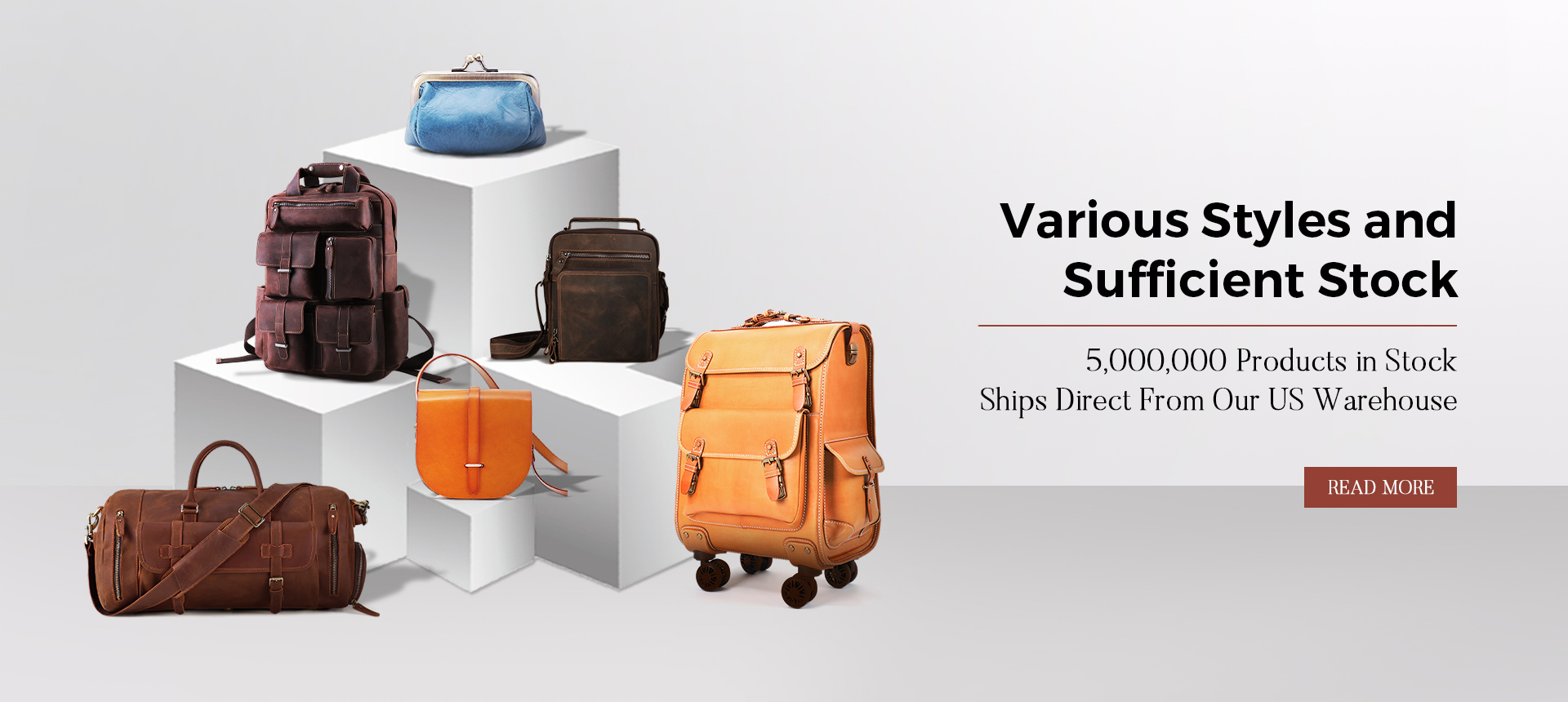
I’m a China-based manufacturer of handmade leather accessories, and I know what B2B buyers need. My handmade leather accessory line blends timeless craftsmanship with modern durability, perfect for premium retailers and boutique brands. Each piece is cut from full-grain leather, stitched by hand, and finished with brass hardware and durable lining. I offer flexible customization: logo engraving, colorways, hardware finishes, packaging, and private-label options to fit your brand. As a China manufacturer, I keep your supply chain smooth with scalable production, reasonable lead times, and transparent QC at every stage. MOQ starts from 50 units for samples, with tiered pricing for larger orders. I can collaborate on product development, provide digital proofs, and ship directly to your distribution center. If you’re seeking reliable, craft-focused sourcing partners, I’m ready to discuss your project and help you grow with confidence.
Handmade leather accessories stand out when every detail shows care, durability, and a distinct story. Global buyers seek items crafted by skilled artisans who select premium leather, hand-stitch with strong thread, and finish edges by hand. From wallets and belts to phone sleeves and watch straps, these pieces offer tactile appeal and a lasting impression. Custom solutions let brands tailor leathers, colors, stitching, and hardware to build a collection that feels unique and resists mass production. Collaborative design, rapid prototyping, and scalable production turn ideas into market-ready lines with steady quality. Flexible minimums, clear specs, and rigorous QC ensure batches meet international safety and style standards. Packaging and branding options, sustainable tanning and finishing, and reliable on-time shipping help distributors deliver a premium experience to customers worldwide.
| Product ID | Accessory Type | Leather Type | Material | Color Options | Dimensions (cm) | Thickness (mm) | Stitching | Edge Finish | Hardware | Production Method | Origin | Artisan Team | Certifications | Care Instructions | Popularity | Average Rating |
|---|---|---|---|---|---|---|---|---|---|---|---|---|---|---|---|---|
| P-LE-001 | Slim Wallet | Full-Grain Veg-Tan Cowhide | Vegetable-tanned, chrome-free | Natural; Chestnut; Black | 9.0 x 11.5 | 2.5 | Saddle stitch | Burnished | Brass snap | Hand-cut and hand-stitched | United States | Team Alpha | Leather Working Group Gold (LWG Gold) | Wipe with dry cloth; avoid water exposure | 92 | 4.7 |
| P-LE-002 | Cardholder | Full-Grain Chrome-Tan Cowhide | Vegetable-tanned, deburred edges | Chestnut; Cognac; Black | 7.5 x 10.0 | 2.0 | Running stitch | Burnished | Stainless steel | Traditional hand-stitched | Italy | Team Beta | None | Dry cloth; avoid direct sun | 88 | 4.6 |
| P-LE-003 | Leather Belt | Full-Grain Nappa Leather | Semi-aniline finish | Black; Dark Brown | 3.0 x 120.0 | 3.5 | Half-mound stitch | Polished | Brass buckle | Hand-cut, edge-painted | Spain | Team Gamma | ISO 9001 | Clean with leather conditioner every 6 months | 75 | 4.4 |
| P-LE-004 | Key Organizer | Nubuck Leather | Suede interior; water-resistant coating | Sand; Olive; Navy | 9.0 x 6.0 x 1.5 | 1.8 | Saddle stitch | Rough-cut | Brass rivets | Hand-stitched with waxed thread | United Kingdom | Team Delta | REACH compliance | Wipe with damp cloth; condition monthly | 70 | 4.3 |
| P-LE-005 | Passport Cover | Vegetable-Tanned Buffalo Leather | Deep grain; natural finish | Amber; Cocoa; Ebony | 14.0 x 9.5 | 2.0 | Cross-stitch | Burnished | None | Hand-stitched; laminate interior for durability | Japan | Team Epsilon | None | Avoid moisture; condition quarterly | 81 | 4.5 |