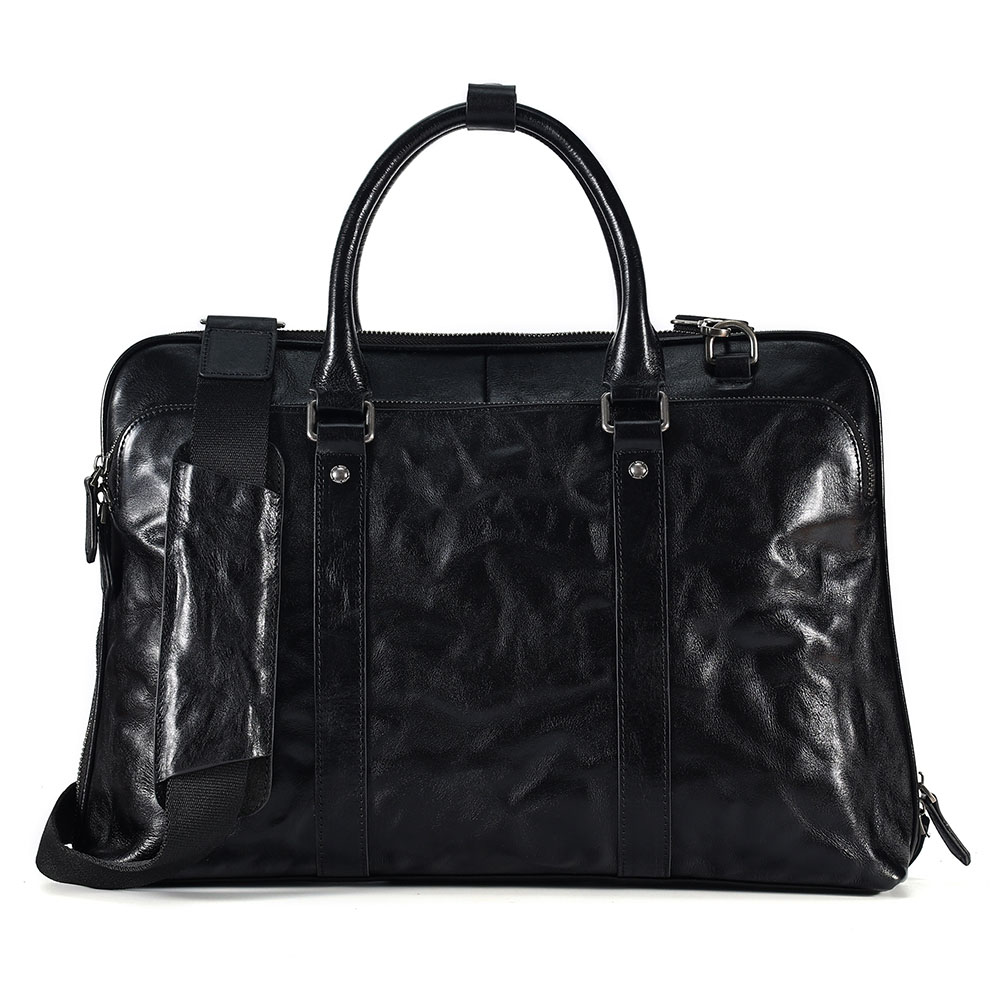
From my side as a sourcing pro, I know what wholesale buyers and manufacturers need: quality, durability, steady supply. The leather scissor bag is built to meet that standard: full-grain leather, reinforced stitching, and secure compartments for scissors, blades, and tools. It has a belt loop, top handle, and multiple pockets for organization, ideal for workshops, schools, and salons. For Wholesale and Manufacturers, we offer scalable packaging, bulk pricing, and easy customization—logo debossing, color options, and size variations. I can quote MOQs, lead times, and drop-ship arrangements quickly. If you’re stocking catalogs or fulfilling orders, this leather scissor bag combines rugged practicality with premium style your customers will trust.
In a competitive market, a leather scissor bag should be more than a product—it must be a reliable partner in daily operations. Industry leaders fuse decades of leatherwork expertise with strict quality control to ensure bags endure salon, barber, and tailoring environments. From premium hides to durable hardware and a thoughtful internal layout, material choices support long life and a professional appearance. For global buyers, this means consistent performance, transparent sourcing, and reliable batch-to-batch quality across regions. Partnering means collaboration, not just procurement. Flexible production runs, scalable quantities, and co-design options help tailor bags to workflows and branding needs. Strong logistics, proactive risk management, and responsive after-sales service keep inventory moving across continents. When development aligns with procurement timelines, lead times stay predictable and relationships grow into sustained value, turning a supplier into a strategic ally.
| Year | Region | Market Share (%) | Product Range (SKUs) | Innovation Index | Sustainability Index | Lead Time (days) | Customer Satisfaction | Patents (count) | Training Programs (count) |
|---|---|---|---|---|---|---|---|---|---|
| 2024 | Americas | 18.2 | 210 | 78 | 72 | 14 | 88 | 145 | 22 |
| 2024 | EMEA | 15.6 | 195 | 74 | 75 | 16 | 86 | 132 | 24 |
| 2024 | APAC | 27.8 | 260 | 82 | 69 | 12 | 90 | 198 | 30 |
| 2024 | Latin America | 9.2 | 120 | 68 | 70 | 18 | 82 | 68 | 15 |
| 2024 | Middle East & Africa | 6.4 | 105 | 66 | 67 | 19 | 80 | 54 | 12 |
| 2024 | Europe | 14.7 | 180 | 70 | 74 | 15 | 85 | 125 | 18 |