Beyond cowhide lies a world of exotic leathers, prized for patterns no machine can copy. Here’s what sets them apart.
1.What Are Exotic Leathers?
Exotic leathers come from non-bovine animals, most famously crocodile, alligator, ostrich, snake, and lizard. Each hide carries a natural pattern cowhide can’t match. Rarity and demanding tanning make them the most expensive materials in leather.
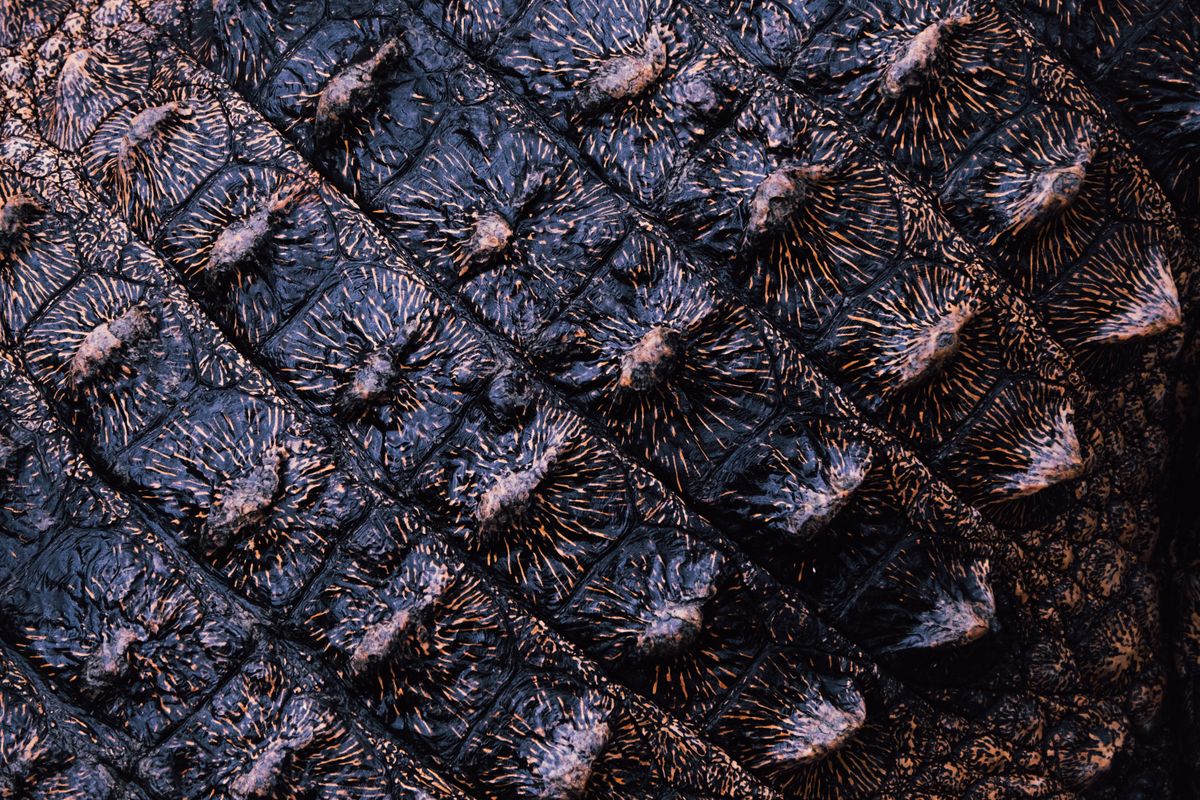
Alligator hide shows the large tiles prized in luxury goods
2.Popular Types of Exotic Leather
- Crocodile & Alligator: Large rounded scales; soft belly panels for bags.
- Ostrich: Raised quill bumps from feather follicles; very durable.
- Snake: Fine diamond scales; thin and light with striking sheen.
- Lizard: Small uniform tiles; smooth, glossy, exotic look.
3.What Makes Them Special
- Texture: Patterns embossing cannot match.
- Rarity: Fewer hides and strict sourcing limits supply.
- Durability: Ostrich and alligator last decades.
- Value: Well-kept pieces hold their resale price.
Exotic leather is a statement—every hide a one-of-a-kind pattern machines can’t replicate.
4.Things to Know Before Buying
- Legality: Real exotic leather needs CITES paperwork.
- Price: Expect far higher costs than cowhide.
- Embossed copies: Stamped cowhide mimics scales—check the edges.
5.How to Care for Exotic Leather
- 1 Keep dry—water warps scales and bumps.
- 2 Wipe softly with a dry cloth after use.
- 3 Condition rarely with exotic-safe cream only.
- 4 Store cool in cloth bags, away from sun.
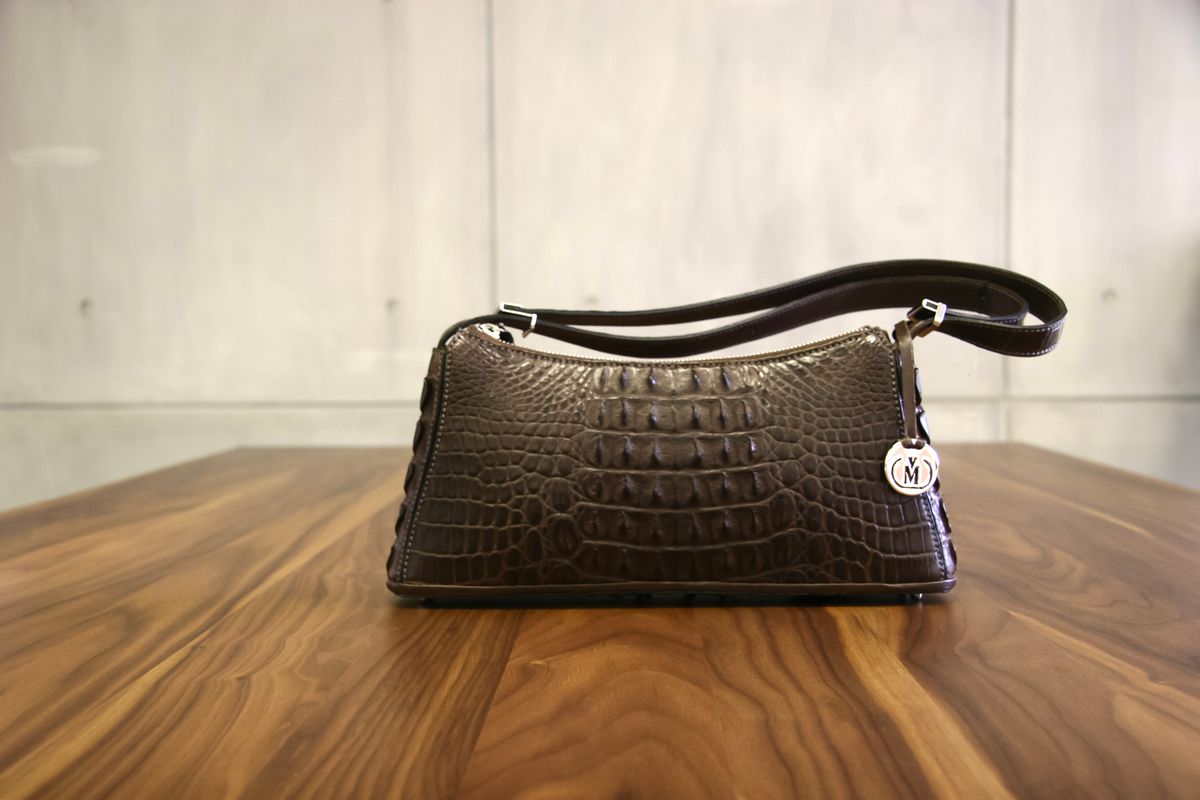
Crocodile handbags command the highest prices in leather
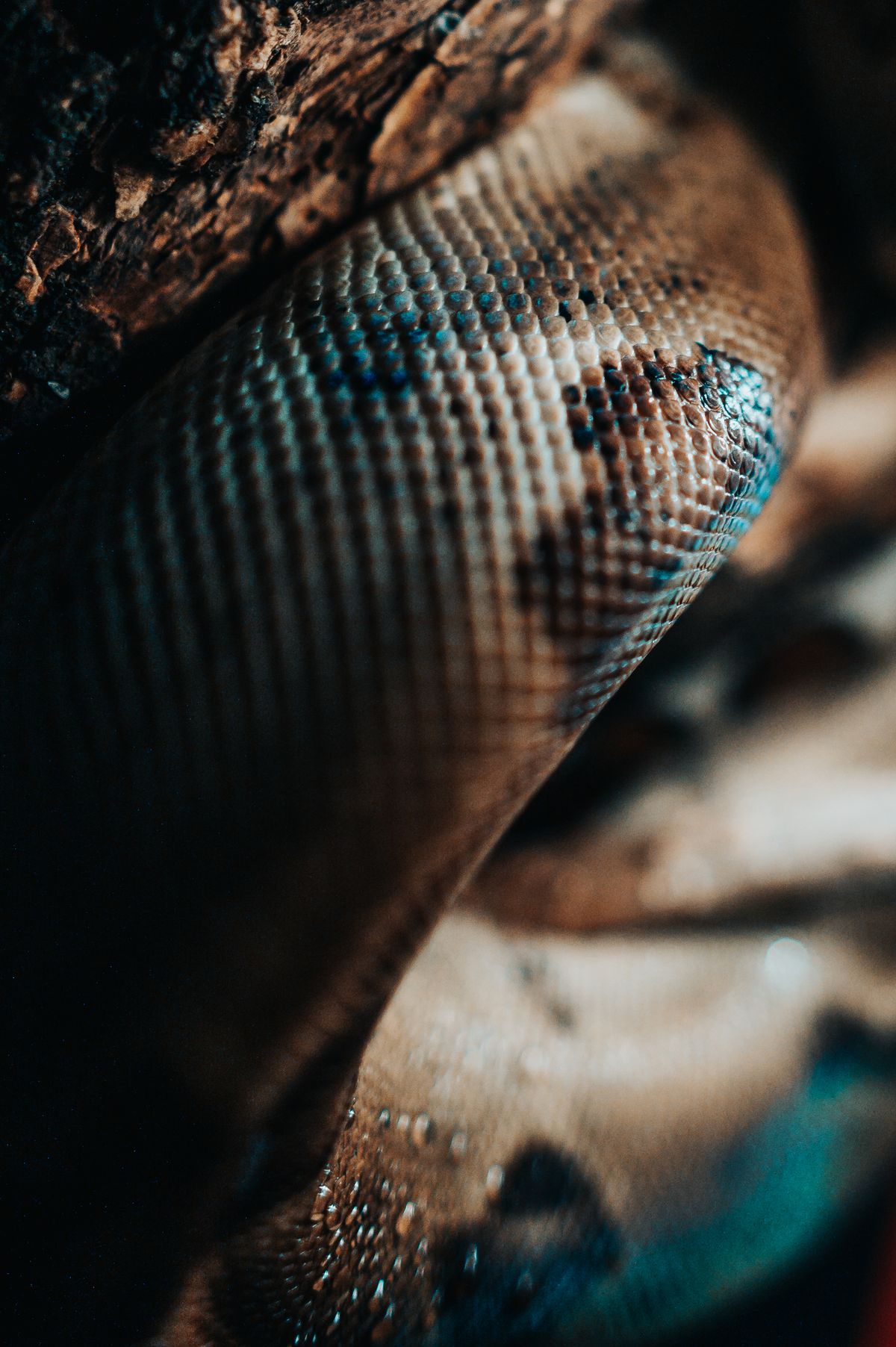
Snake leather brings a light, striking texture to small goods
DUJIANG Tip
At Guangzhou Dujiang, we source exotic and classic leathers responsibly, helping brands create pieces that stand out.
Post time: Aug-29-2026


