When selecting leather for a bag, buyers often consider color, texture, and appearance. However, leather thickness is another important factor that influences how a bag looks, feels, and performs. Choosing an appropriate thickness helps manufacturers balance flexibility, structure, weight, and durability according to the product’s intended use.
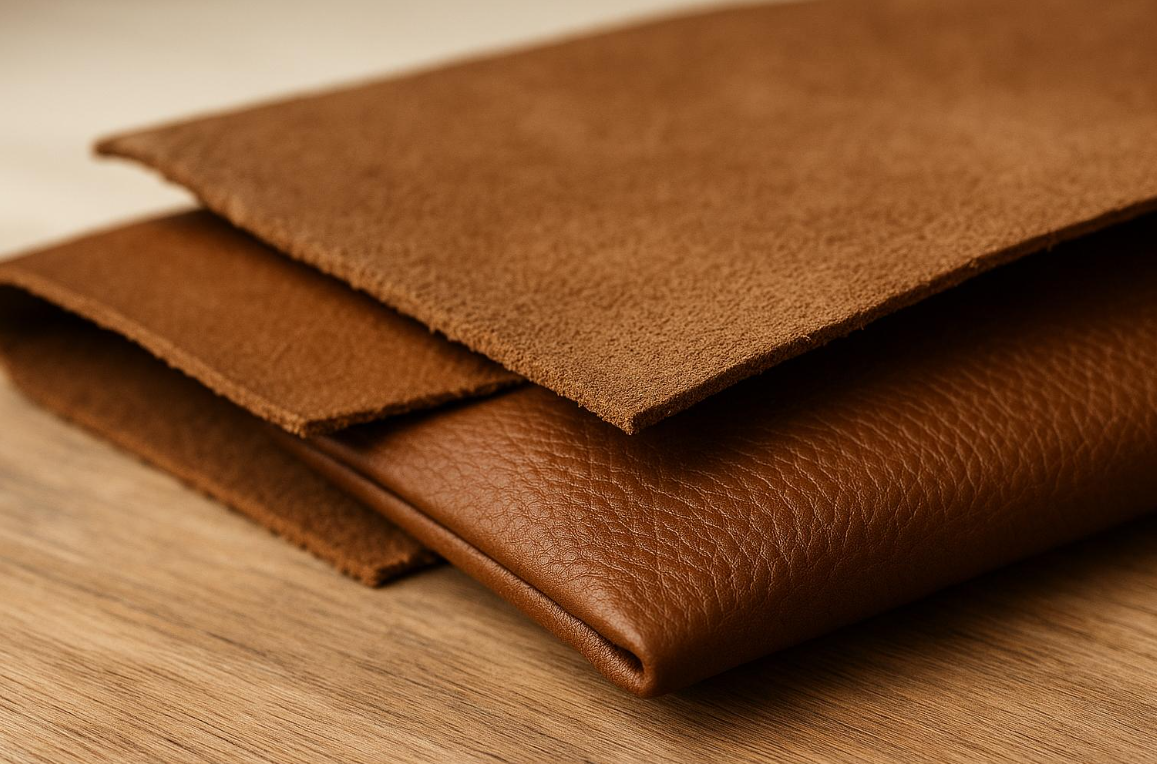
1. What Does Leather Thickness Mean?
Leather thickness refers to the distance between the two sides of a piece of leather. It is commonly measured in millimeters and can vary depending on the animal hide, leather processing, and intended application.
There is no single thickness that works best for every bag. A small wallet, a flexible crossbody bag, and a structured business briefcase have different material requirements. Thickness should therefore be selected according to the design rather than treated as a simple measure of quality.
2. How Thickness Influences Flexibility
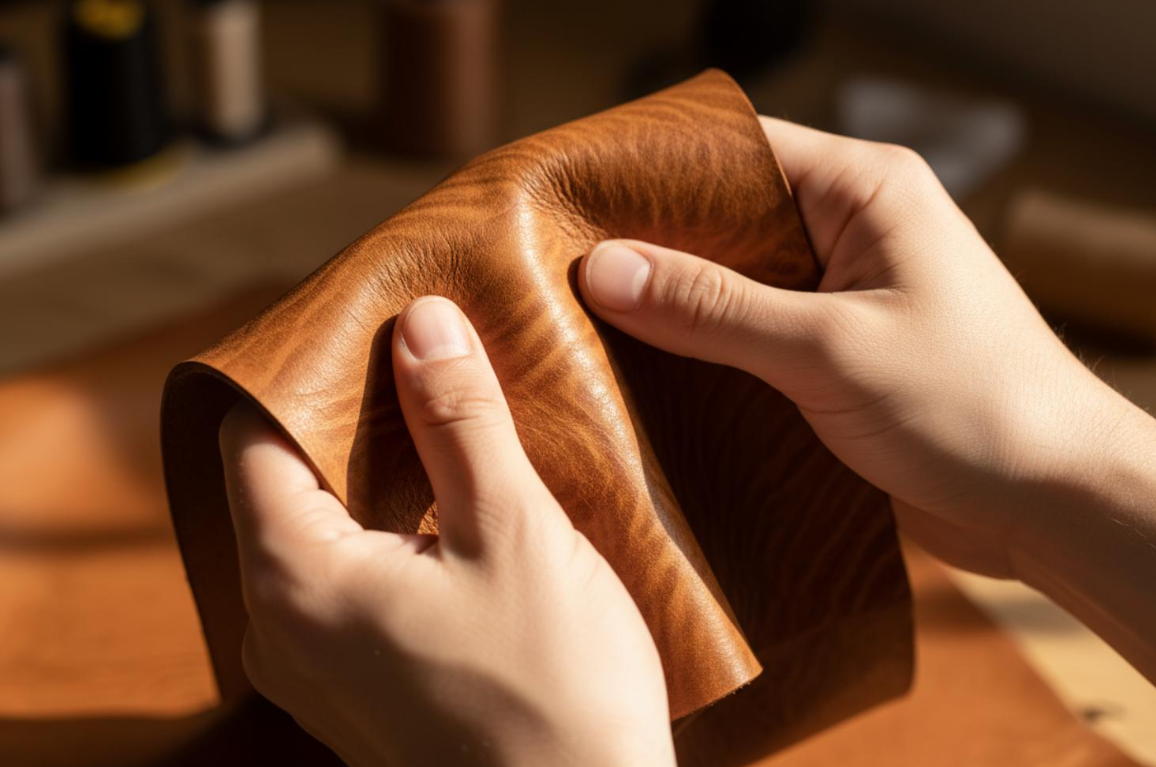
Thinner leather is generally easier to bend and shape, making it suitable for certain lightweight bags, small accessories, and components that require flexibility. It can help reduce overall product weight and create a softer feel.
Thicker leather often feels firmer and may provide more body to a product. However, its flexibility also depends on the leather type, tanning process, and finish. A thicker piece is not automatically stronger or more suitable for every application.
3. Matching Thickness to Different Bag Styles
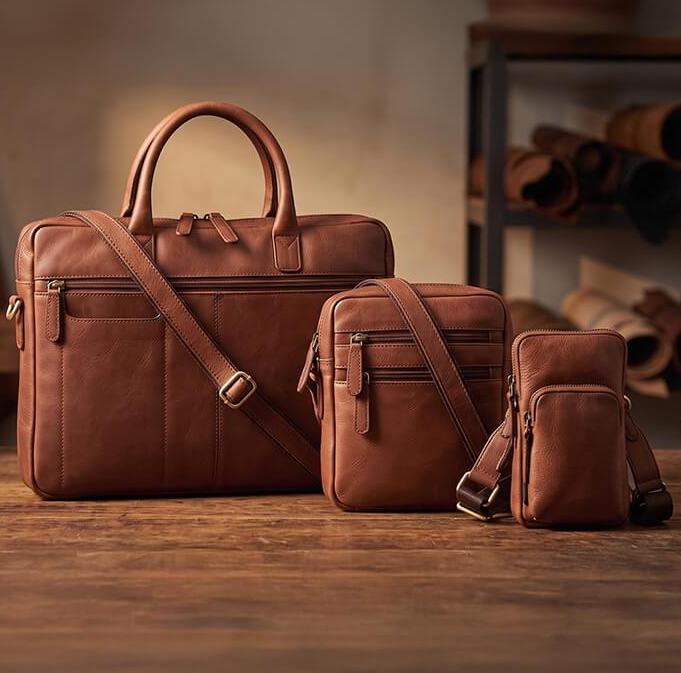
Different bag designs require different combinations of flexibility and support. Wallets and small leather accessories may use thinner leather or carefully split leather to avoid unnecessary bulk.
Everyday shoulder bags and crossbody bags need a balance between comfortable handling and sufficient structure. Briefcases and other structured bags may use firmer leather or additional reinforcement in selected areas to help maintain their shape.
The ideal specification depends on the product pattern, construction method, expected load, and target design.
4. Why Consistency Matters in Manufacturing
Consistent leather thickness helps manufacturers cut and assemble components more accurately. Significant variation between pieces can affect folding, stitching, edge finishing, and the final appearance of a bag.
During material inspection, manufacturers can measure thickness at multiple points and check whether the leather meets the agreed specification. For custom orders, confirming thickness requirements during sample development helps reduce unexpected differences during bulk production.
5. How Buyers Can Choose the Right Thickness
Buyers should consider the bag’s intended use, size, structure, weight requirements, and desired feel. It is also useful to evaluate the complete sample rather than selecting leather based on thickness alone.
The leather’s firmness, surface finish, reinforcement materials, and construction details all contribute to the final result. Working with a manufacturer to confirm these factors can help ensure that the material matches the product design and quality expectations.
Conclusion
Leather thickness is an important design and manufacturing consideration, but it should always be evaluated in context. The right choice balances flexibility, structure, weight, appearance, and intended use.
By specifying material requirements clearly and reviewing samples before bulk production, buyers and brands can make more informed decisions when developing leather bags for different markets and applications.
Post time: Oct-29-2026


