A leather bag’s capacity is not determined by its external dimensions alone. The internal layout, pocket placement, opening design, and usable space all influence how much a bag can carry and how convenient it is to use. For buyers and product developers, understanding these details is essential when selecting or designing leather bags for different markets.
1 External Size vs. Usable Capacity
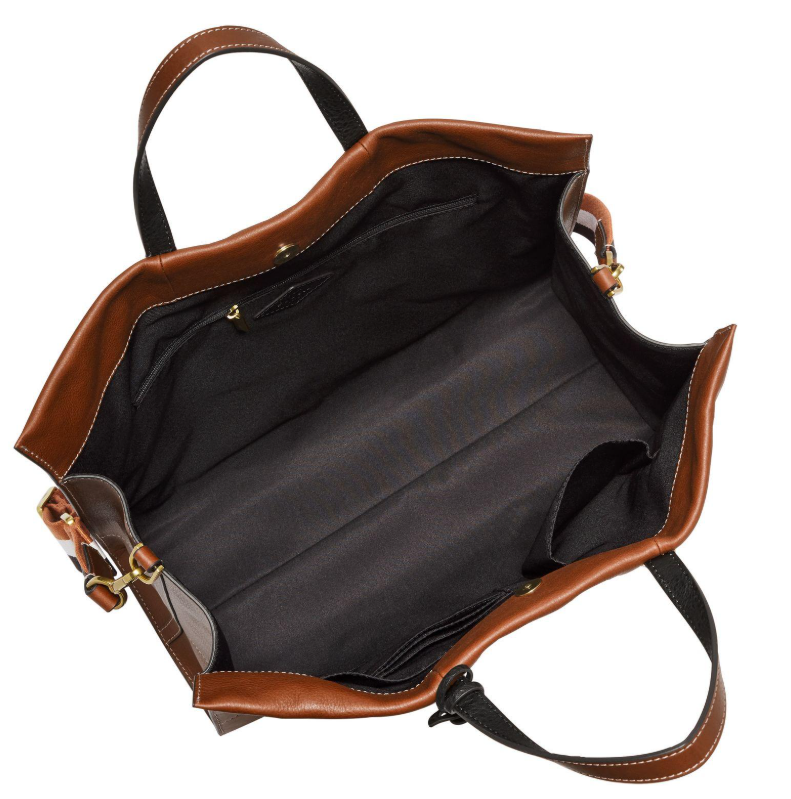
A bag may appear large from the outside but offer less usable space than expected. Thick padding, stiff reinforcement, lining, and internal dividers can reduce the space available for personal belongings.
When evaluating capacity, buyers should consider both the bag’s overall dimensions and its actual internal storage area. The shape of the bag also matters, as a wide opening or a well-designed main compartment can make packing easier.
2 The Role of Internal Compartments
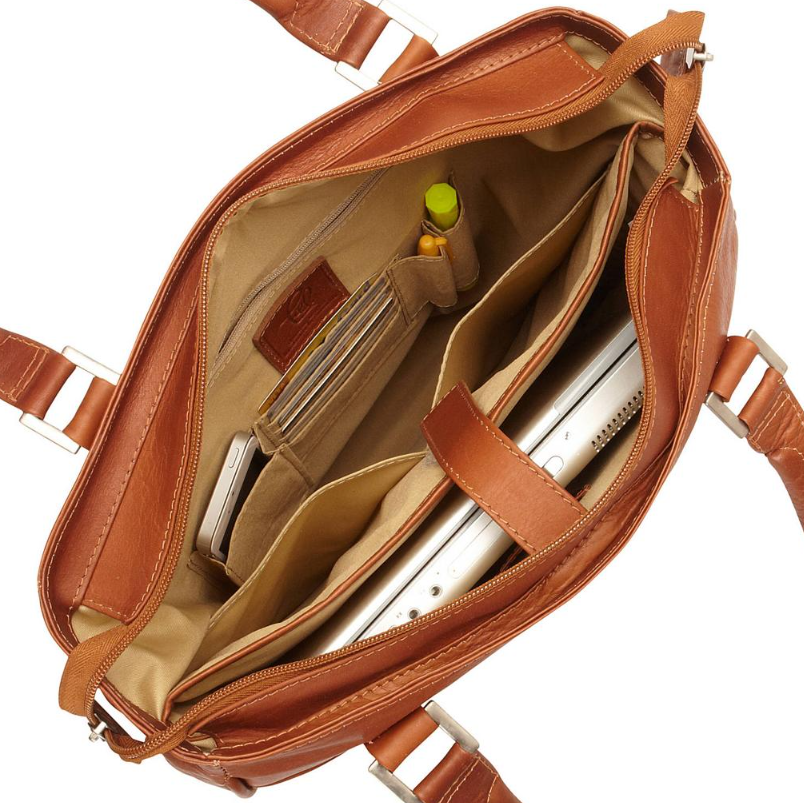
Compartments help organize belongings and prevent items from becoming mixed together. A laptop sleeve, document pocket, zippered section, or small accessory pocket can make a bag more practical for daily use.
However, adding too many compartments may reduce the flexibility of the main storage area. The goal is to create a layout that supports the intended use without unnecessarily restricting space.
3 Pocket Placement and Accessibility
The location of pockets affects how easily users can reach their belongings. Frequently used items, such as phones, keys, cards, or travel documents, are often better placed in accessible pockets.
Internal pockets should be positioned carefully to avoid interfering with larger items. Their depth, width, closure type, and placement can all influence convenience.
4 Opening Design and Packing Convenience
The opening of a bag determines how easily users can place items inside and retrieve them. A wide zipper opening may provide better visibility and access, while a structured flap or narrow opening may offer a different appearance and level of security.
For travel and business bags, opening design is particularly important because users may need to access documents, electronics, or other essentials quickly.
5 Matching Capacity to Intended Use
Different bag categories require different storage layouts. A compact crossbody bag may prioritize essentials, while a backpack may need separate sections for electronics, documents, and daily items.
A business briefcase often benefits from organized document storage, whereas a casual tote may emphasize a spacious main compartment with fewer dividers.
The intended use should guide the capacity, pocket configuration, and overall dimensions rather than simply making the bag larger.
6. What Buyers Should Check When Evaluating Capacity
When reviewing a leather bag sample, buyers should consider:
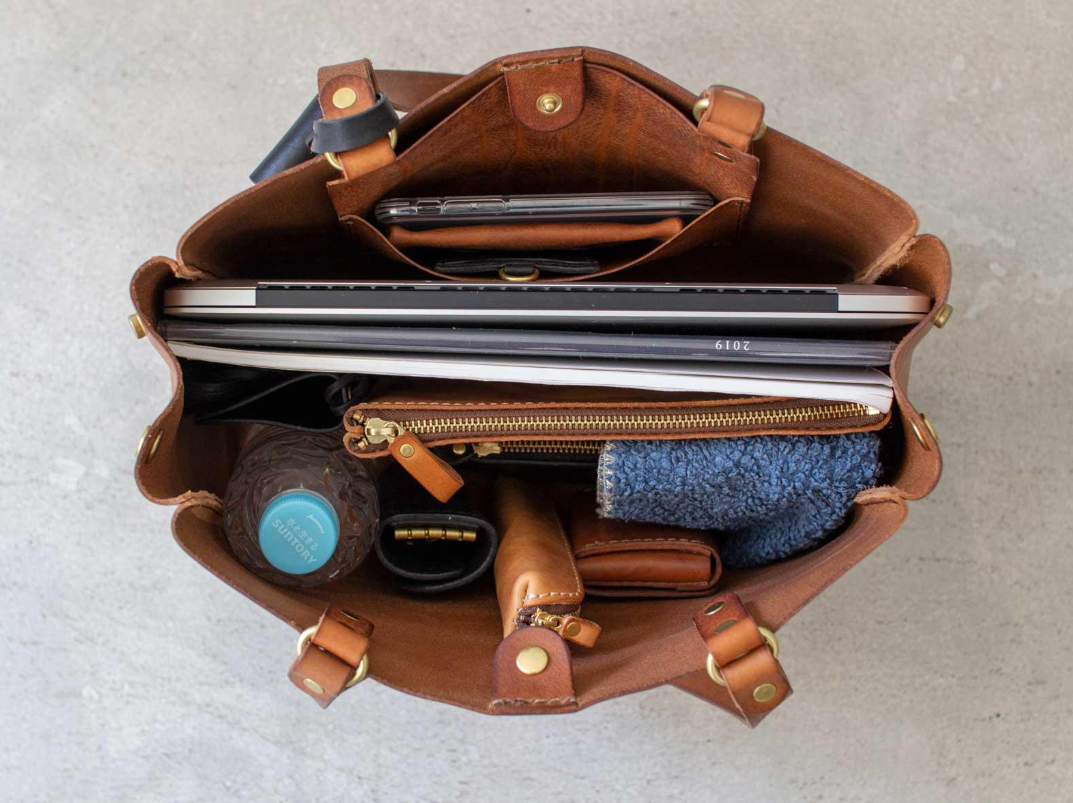
- ✓ Internal dimensions: Measure the usable storage area rather than relying only on the exterior size.
- ✓ Compartment layout: Check whether pockets and dividers support the intended use.
- ✓ Item compatibility: Test the bag with the products it is expected to carry.
- ✓ Opening access: Make sure the opening allows practical packing and retrieval.
- ✓ Space efficiency: Confirm that lining, padding, and internal construction do not unnecessarily reduce storage.
A well-designed leather bag makes effective use of its space. By balancing dimensions, compartments, and accessibility, manufacturers can create products that feel organized, practical, and comfortable to use without compromising their appearance.
Post time: Nov-20-2026


