Color is one of the first details people notice when choosing a leather bag. From classic black and brown to warm tan and contemporary neutral shades, color influences a product’s overall style and market appeal. However, achieving an attractive leather finish involves more than selecting a color. The dyeing process, surface treatment, and quality control all contribute to the final appearance.
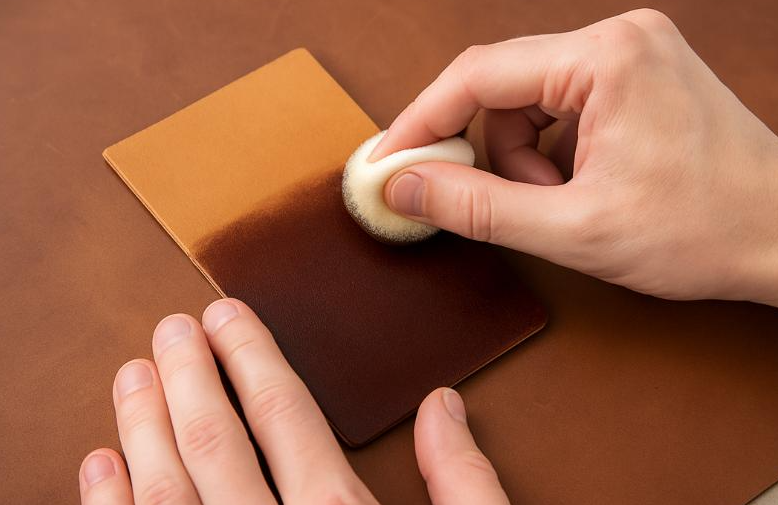
1. Understanding Leather Coloring
Leather can be colored through different processes depending on the material and desired finish. Some leather is dyed to add color throughout the material, while other products receive surface treatments that create a more uniform appearance.
The coloring method affects how the leather looks, feels, and responds to everyday use. Buyers should consider the leather type and intended product design when selecting a suitable coloring process.
2. Common Leather Color Finishes
Different finishing techniques create different visual effects.
Aniline finishes allow much of the natural grain and character of the leather to remain visible. Semi-aniline finishes provide some additional surface treatment while retaining a natural appearance. Pigmented finishes use a more substantial surface coating to achieve greater color uniformity and coverage.
Each option has its own characteristics. The best choice depends on the desired appearance, leather quality, product positioning, and practical requirements.
3. Why Color Consistency Matters
Consistent color is particularly important in leather bag manufacturing. Noticeable differences between panels may affect the appearance of the finished product, especially on larger bags with multiple visible sections.
Color variation can be influenced by natural differences in hides, dye absorption, processing conditions, and finishing techniques. Manufacturers should evaluate leather materials before production and compare components under consistent lighting conditions.
For custom orders, confirming an approved color sample can help establish a clear reference for bulk manufacturing.
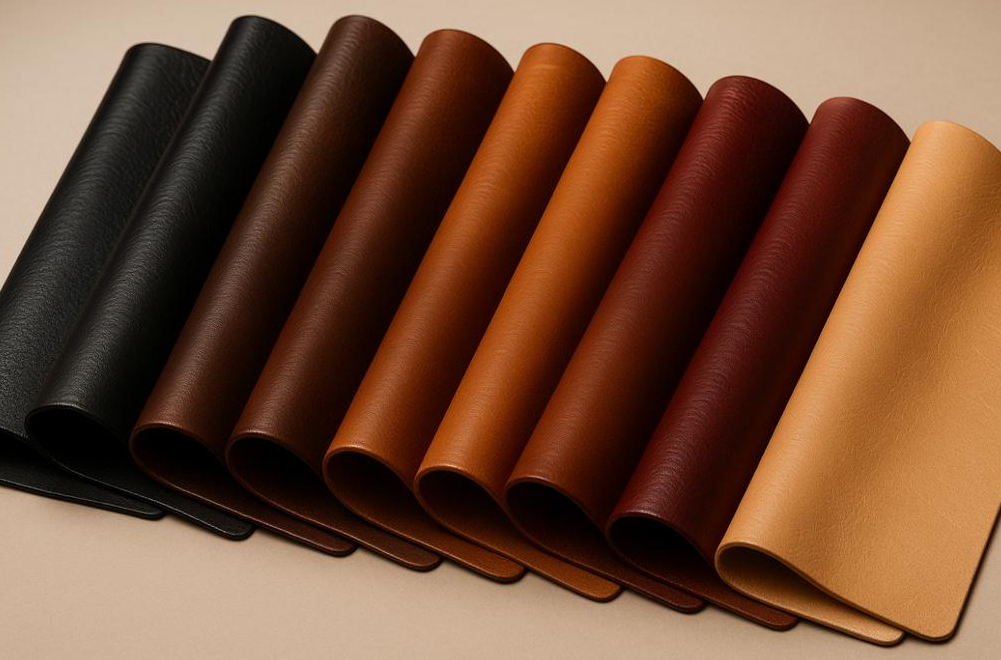
4. How Surface Finishing Changes Appearance
Surface finishing can influence the leather’s texture, sheen, and visual depth. A matte finish creates a more understated appearance, while a glossy finish can give a product a more polished look.
Some leather finishes also emphasize natural grain or create subtle variations in color. These characteristics can be important when developing vintage-inspired, minimalist, or business-oriented leather bags.
The finishing process should complement the leather itself rather than simply cover its natural characteristics.
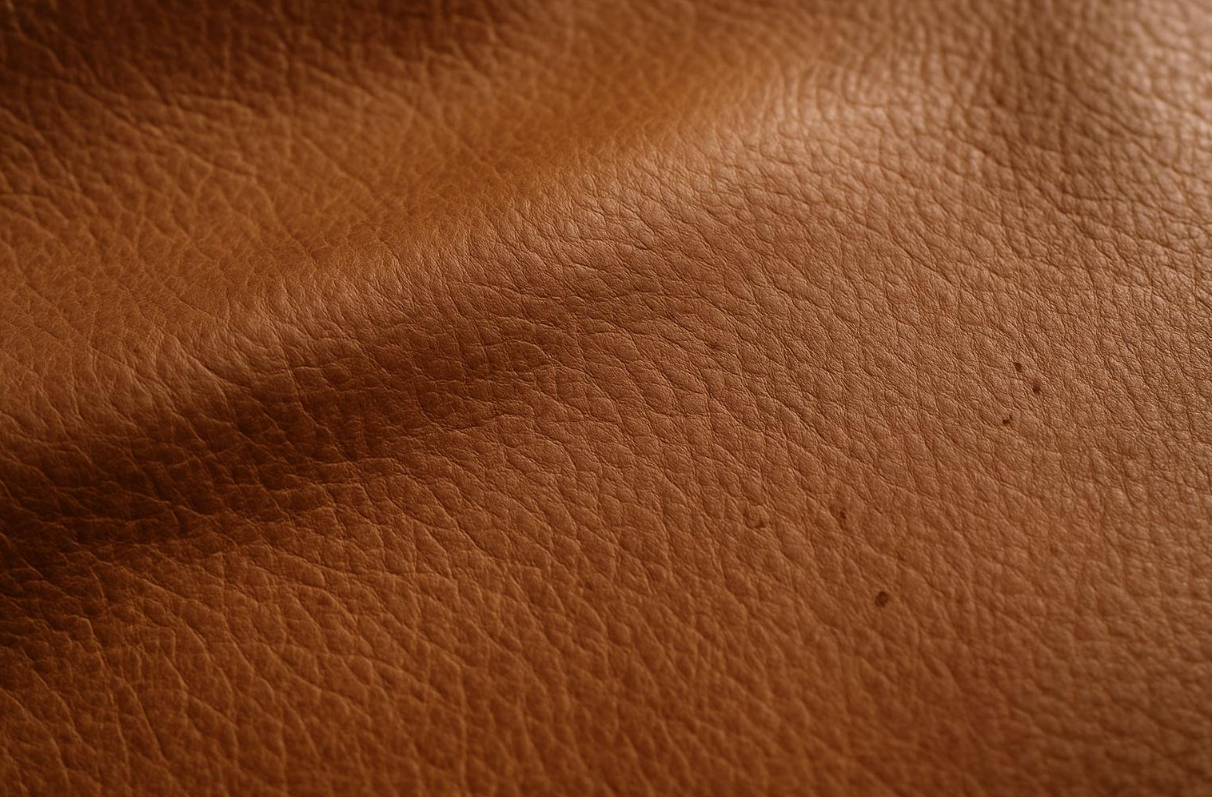
5. How Buyers Can Evaluate Leather Color Quality
When inspecting leather bags, buyers should check whether the color is reasonably consistent across visible panels and whether the finish matches the approved sample.
Look for uneven coating, unwanted stains, obvious color patches, and inconsistent gloss. It is also useful to inspect the leather under different lighting conditions, since colors may appear different under warm indoor lighting and natural daylight.
For bulk orders, buyers can confirm color references, acceptable natural variations, and inspection requirements before mass production begins.
Conclusion
Leather color finishing combines material characteristics, dyeing techniques, surface treatments, and manufacturing quality control. These factors determine the final appearance and help establish a consistent product identity.
By understanding different leather finishes and setting clear color standards during product development, buyers and brands can make more informed sourcing decisions and create leather bags that meet their design expectations.
Post time: Oct-31-2026


