When evaluating a leather bag, buyers often focus on the leather surface, color, and overall design. However, the edges of a bag also reveal important details about its craftsmanship. Proper edge finishing improves the appearance of leather components, creates a more refined look, and helps protect exposed edges from everyday wear.
1. What Is Leather Edge Finishing?
Leather edge finishing refers to the process of treating the exposed edges of leather pieces during bag production. Depending on the design, the edges may be painted, folded, burnished, or covered with additional leather.
Each method creates a different appearance and requires specific techniques. The choice depends on the leather type, product design, desired finish, and manufacturing requirements.
2. Common Edge Finishing Methods
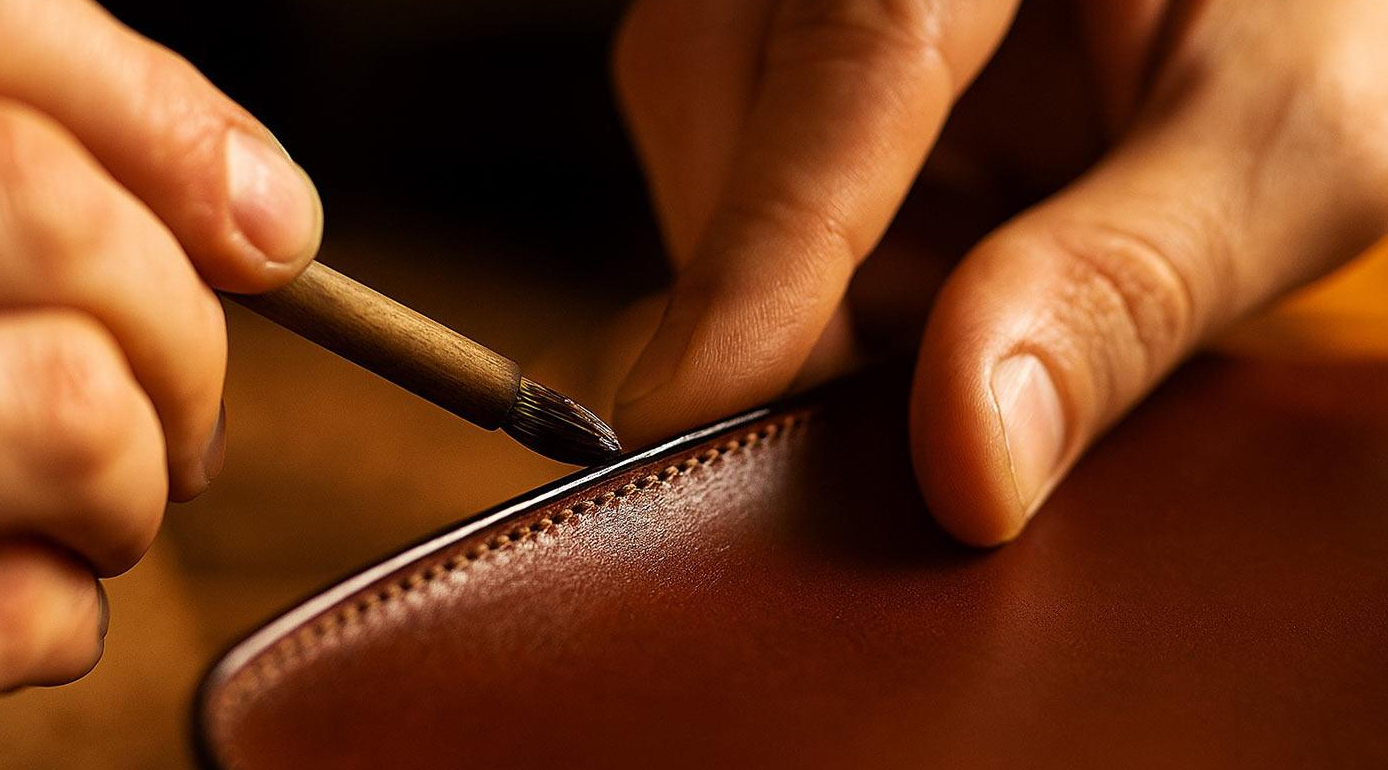
Edge painting is commonly used to create a smooth, consistent border in a selected color. It is often found on structured handbags, briefcases, and other products with clean, defined edges.
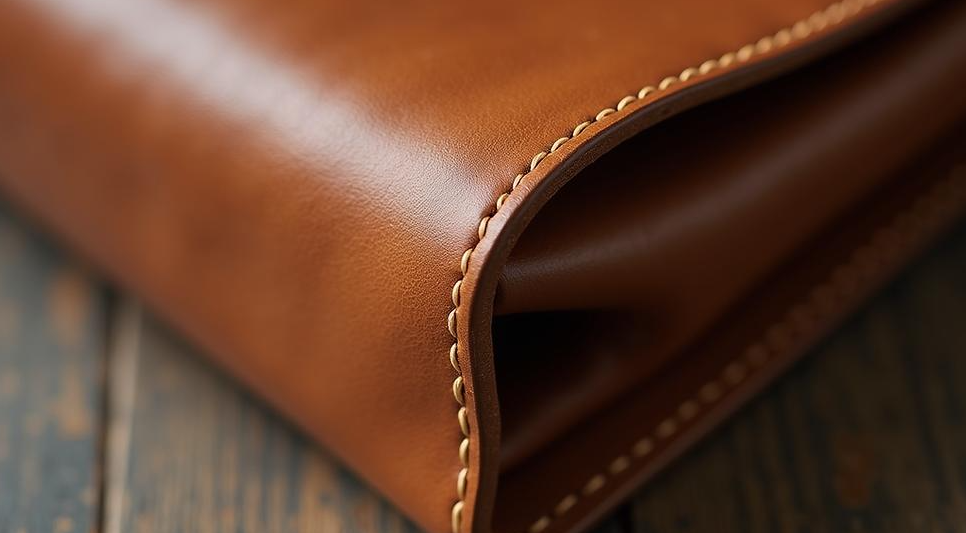
Folded edges involve turning the leather inward to create a neat finish. Burnishing is another method used on suitable leather types to smooth and refine exposed edges. Each technique offers different visual and practical benefits.
3. Why Does Edge Finishing Matter?
Well-finished edges contribute to a bag’s overall appearance and perceived quality. Smooth, consistent edges help create a polished look, while poorly finished edges may appear rough, uneven, or untidy.
Edge treatment can also help reduce direct exposure of certain leather edges to friction and everyday handling. Its effectiveness depends on the finishing method, material compatibility, and quality of workmanship.
4. How Can Buyers Check Edge Quality?
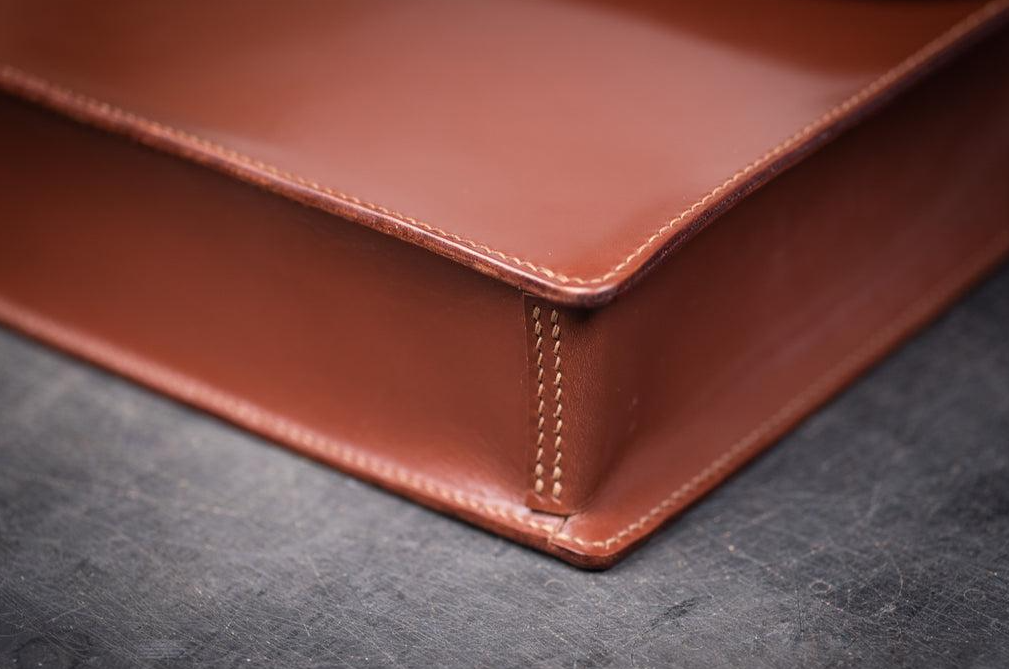
When inspecting a leather bag, examine the corners, handles, straps, and outer panels. Look for consistent color, smooth surfaces, and clean transitions between finished and unfinished areas.
For painted edges, check for visible peeling, cracking, or uneven application. For folded edges, look for secure construction without excessive bulk or loose sections. The finish should be appropriate for the leather and the bag’s intended use.
Conclusion
Leather edge finishing is an important detail in bag manufacturing. Although it may seem small, it influences the product’s appearance, finish, and resistance to everyday wear.
By understanding different edge finishing methods and checking their consistency, buyers and brands can better evaluate leather bag craftsmanship and select products that meet their quality expectations.
Post time: Oct-22-2026


