Embossing is a leather finishing technique used to create raised or textured patterns on a leather surface. It can give a bag a distinctive appearance, add visual depth, and help brands develop a recognizable product style. For buyers and product designers, understanding the embossing process makes it easier to evaluate samples and communicate design requirements to manufacturers.
What Is Leather Embossing?
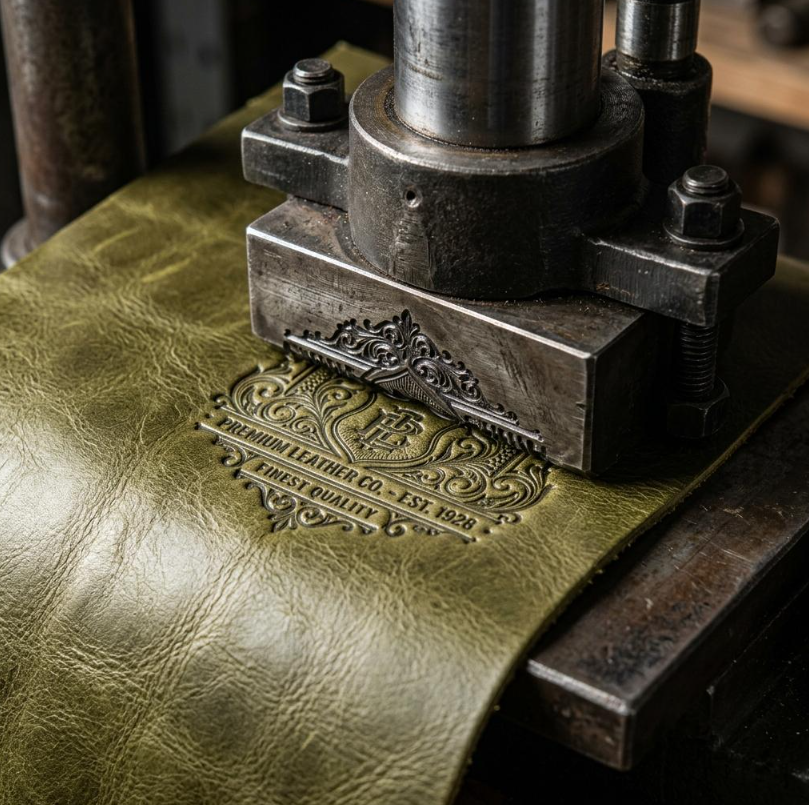
Leather embossing uses pressure, and often controlled heat, to transfer a texture or pattern onto the leather surface. A prepared metal plate or embossing die presses the selected design into the material.
The final appearance depends on several factors, including the leather type, surface finish, embossing pressure, temperature, and processing time. Different combinations can produce subtle textures or more pronounced surface details.
Common Embossing Styles
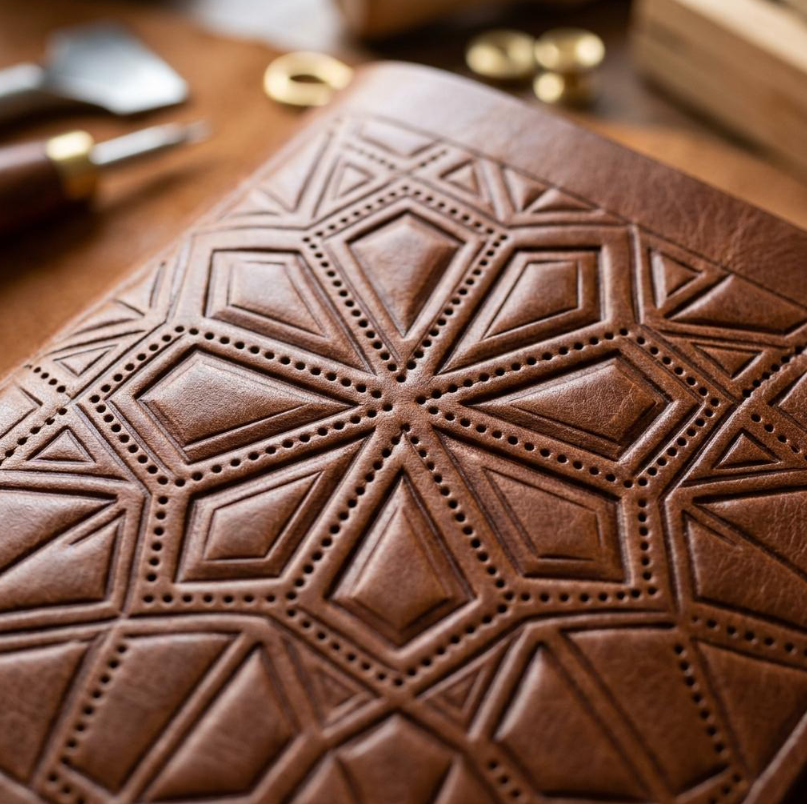
Embossing can be used to create a wide range of visual effects. Some designs imitate natural textures, while others use geometric shapes, fine lines, or custom brand-related details.
A subtle embossed texture can add depth without making the surface look overly decorative. More pronounced designs can create a stronger visual identity. The choice should match the bag’s overall style, target market, and intended use.
How the Embossing Process Works
The process generally begins with selecting suitable leather and preparing the embossing die. The leather is then positioned carefully before pressure is applied using embossing equipment.
After processing, the embossed surface is inspected to check whether the pattern is clear and consistent. Depending on the leather and finishing requirements, additional steps may be needed to achieve the desired appearance.
Accurate positioning and stable processing conditions are important, especially when the design needs to be repeated across multiple panels or production batches.
Factors That Affect Embossing Quality
Leather thickness and surface characteristics can influence how clearly a design appears. Pressure and temperature also need to be matched to the material. Insufficient pressure may produce a weak impression, while unsuitable settings can affect the surface or create uneven results.
The size and complexity of the design matter as well. Very fine details may not appear as clearly on every leather type, so testing on the actual production material is recommended before confirming a design.
What Buyers Should Check Before Bulk Production
Before approving a sample, buyers should review pattern clarity, depth, alignment, and consistency across the embossed area. They should also check whether the texture remains visually balanced around seams, edges, and curved panels.
For repeat orders, an approved reference sample and clearly documented material and processing requirements can help maintain consistency. It is useful to inspect samples from different areas of the hide because natural leather may respond differently during embossing.
Choosing Embossing for the Right Product
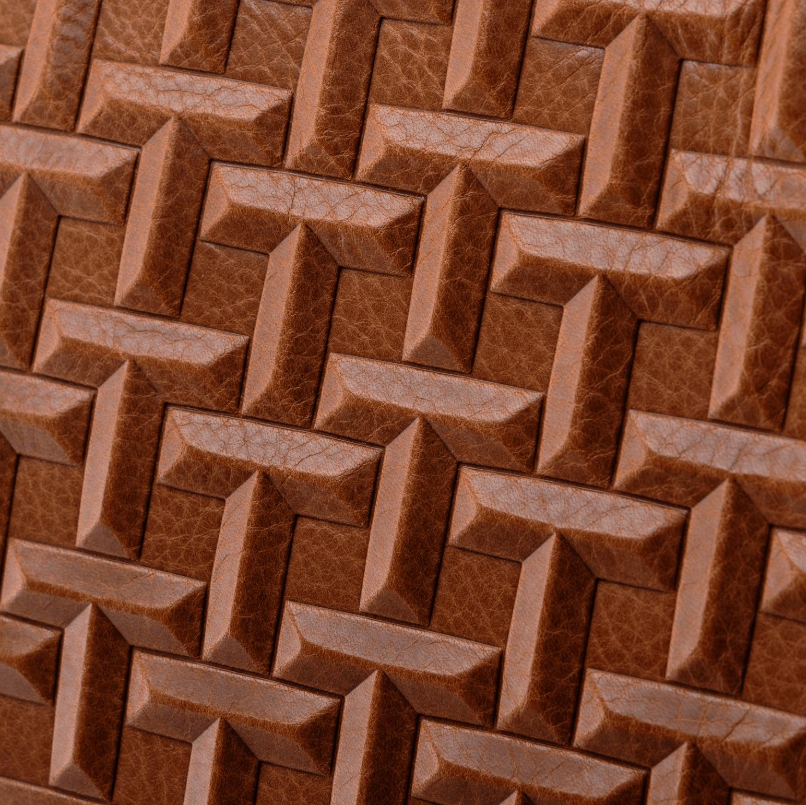
Embossing can be used on wallets, handbags, briefcases, small leather goods, and selected accessories. The most suitable design depends on the product’s surface area, leather characteristics, and brand direction.
A successful embossed finish should complement the leather rather than overpower it. When the material, pattern, and processing method are carefully matched, embossing can add character while preserving the product’s intended appearance.
Leather embossing combines material knowledge with controlled manufacturing techniques. By evaluating the leather, design details, and sample quality before production, buyers can make more informed decisions and achieve a more consistent finished product.
Post time: Nov-16-2026


