Hardware is an important detail in leather bag design. Buckles, zipper pulls, rings, clasps, and decorative fittings do more than connect components. Their color, texture, and finish can influence the overall appearance of a bag and help establish its style. Understanding hardware finishes allows buyers to make more informed decisions during product development.
1. What Is a Hardware Finish?
A hardware finish refers to the surface appearance and treatment of metal components. Depending on the design and manufacturing process, hardware may have a polished, brushed, matte, antique, or coated appearance.
The same buckle can look completely different when finished in shiny gold, brushed silver, dark gunmetal, or aged brass. Selecting the right finish is therefore an important part of creating a coordinated leather bag.
2. Common Hardware Colors
- • Gold-tone: Creates a warm, elegant appearance and is often paired with brown, tan, black, or premium leather designs.
- • Silver-tone: Offers a clean, modern look and works well with minimalist, business, and casual styles.
- • Gunmetal: A darker metallic finish that creates a subtle, contemporary appearance.
- • Antique brass: Features a vintage-inspired look that complements distressed leather and workwear-style bags.
Hardware color should complement the leather tone rather than compete with it.
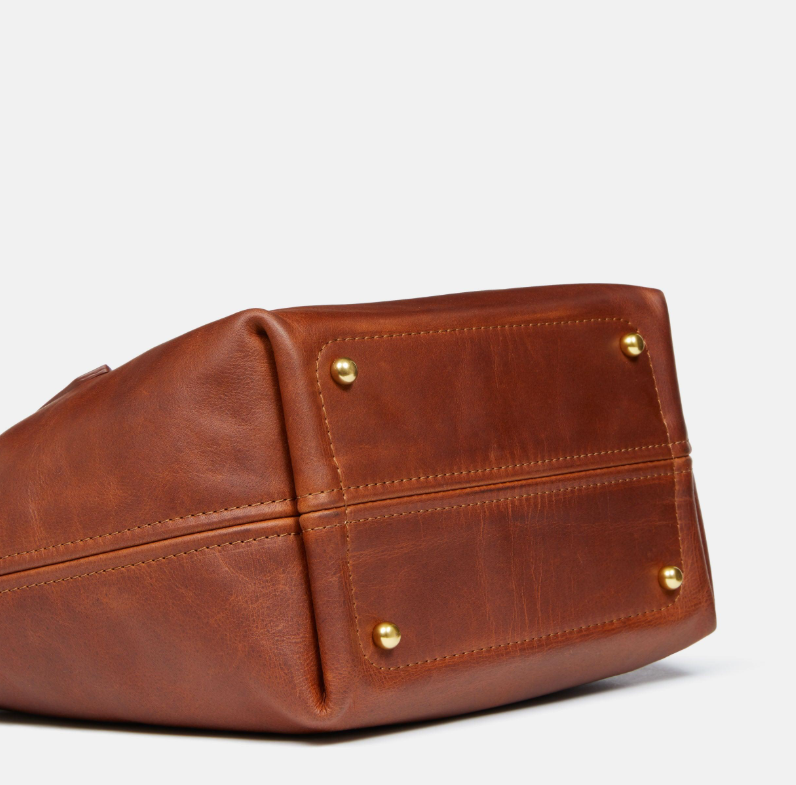
3. Polished, Brushed, and Matte Finishes
Polished metal has a reflective surface that can create a more prominent decorative effect. Brushed finishes feature fine surface lines and reduce the intensity of reflections, while matte finishes offer a softer and more understated appearance.
The choice depends on the product’s design direction. Highly polished hardware may suit elegant or formal bags, while brushed or matte finishes are often preferred for understated everyday products.
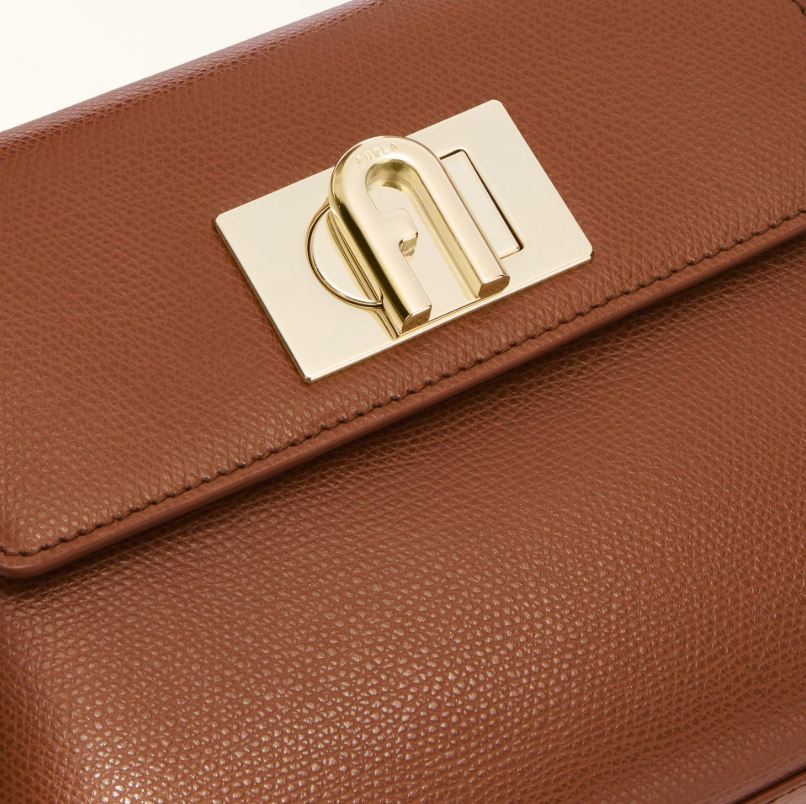
4. How Hardware Finishes Wear Over Time
Hardware finishes may gradually change through friction, handling, moisture, and exposure to environmental conditions. Areas that experience frequent contact, such as buckle edges, zipper pulls, and strap rings, may show wear earlier than less frequently touched components.
5. Matching Hardware to Leather and Bag Style
A successful hardware selection considers the leather color, surface texture, stitching, and overall bag design.
Warm brown leather often pairs naturally with antique brass or gold-tone fittings. Black leather may work well with silver-tone or gunmetal hardware. Vintage-inspired leather bags can benefit from aged finishes, while clean business designs may look better with restrained metallic details.
These are design guidelines rather than strict rules. A contrasting hardware finish can also create a distinctive look when used intentionally.
6. What Buyers Should Check Before Production
Before approving hardware for bulk production, buyers should review the color, surface consistency, edges, attachment method, and overall appearance. Samples should be compared under consistent lighting, especially when matching hardware across different components.
For repeat orders, an approved hardware sample or reference specification can help reduce color variation. Buyers should also confirm whether the selected finish is suitable for the intended usage and whether any durability testing is required.
Hardware finishes may appear to be small details, but they contribute significantly to a leather bag’s identity. By coordinating metal color, surface treatment, leather, and design, brands can create products that look more cohesive and professionally finished.
Post time: Nov-19-2026


