The lining of a leather bag is often overlooked when buyers focus on the exterior leather, hardware, and overall design. However, the material used inside a bag can influence its durability, weight, appearance, storage experience, and ease of maintenance. Choosing the right lining is an important part of developing a leather bag that meets both functional and aesthetic expectations.
1. Why Lining Material Matters
A lining creates an interior surface that separates stored items from the outer leather construction. It can help protect the inside of the bag, improve the appearance of interior compartments, and provide a smoother surface for everyday use.
The lining material should be selected according to the bag’s purpose. A business bag may require a clean, structured interior, while a casual bag may prioritize lightweight construction and flexibility. The right choice depends on how the product will be used and the expectations of its target customers.
2. Common Lining Materials
Different fabrics offer different advantages in leather bag manufacturing.
Widely used because it is available in various colors, textures, and weights. Suitable for everyday bags requiring a practical interior finish.
Provides a natural fabric feel for casual or vintage designs. Offers a softer interior, though wear resistance should be evaluated.
Selected for lightweight products. Offers a smooth surface and practical performance for bags used frequently.
Soft texture for a refined interior feel. Thickness and cleaning requirements should be assessed per design.
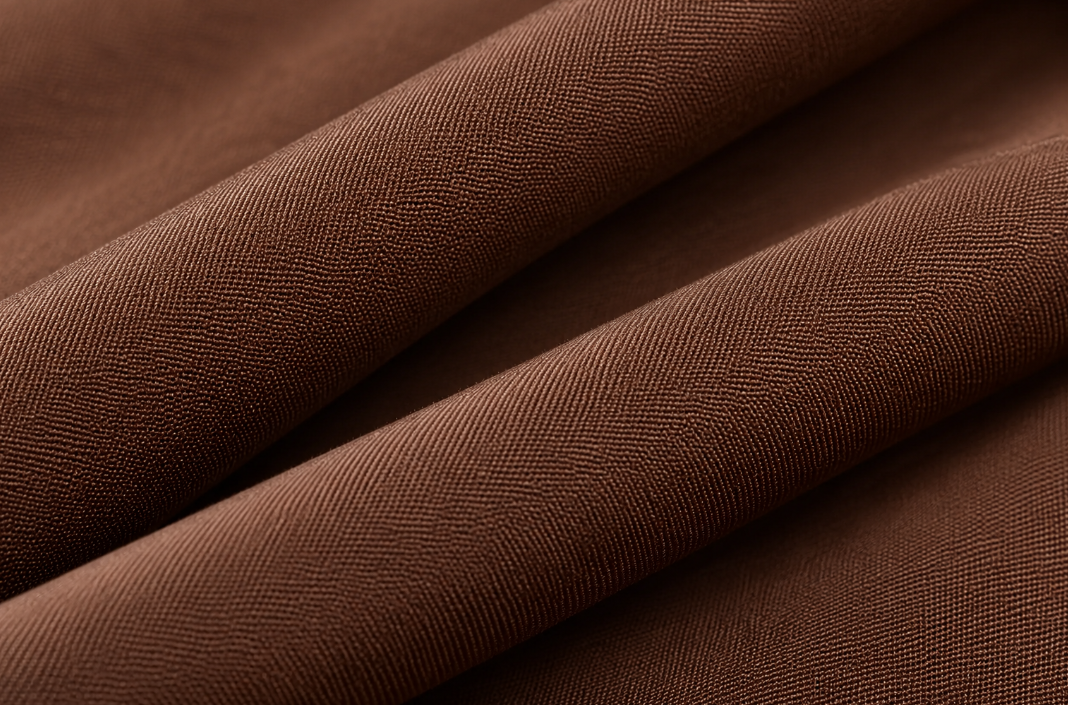
3. Durability
The interior experiences repeated contact with keys, electronics, and cosmetics. Durability depends on fabric density, thickness, weave, and seam construction. For heavy items, consider stronger specifications.
4. Weight & Flexibility
Thicker fabrics add bulk, while lighter materials maintain flexibility. The goal is a lining that supports the bag’s structure without reducing usable space or increasing weight unnecessarily.
5. Color, Texture, and Interior Appearance
Lining color changes the user experience; dark colors are understated, while light colors make items easier to find. Texture adds visual character and should coordinate with the outer leather and hardware.
6. Cleaning and Maintenance
Different fabrics respond differently to spills. For travel or work bags, practical maintenance is key to customer satisfaction. Consider how easily a material can be wiped clean.
7. What Buyers Should Check Before Approving a Sample
When evaluating a lining sample, buyers should check:
- • Fabric thickness and density
- • Surface feel and texture
- • Color consistency
- • Stitching and seam neatness
- • Pocket attachment and reinforcement
- • Compatibility with the bag’s structure
- • Resistance to ordinary friction
It is also helpful to inspect the lining inside a completed sample rather than evaluating the fabric alone. The finished construction reveals how the material behaves around corners, pockets, seams, and openings.
A suitable lining supports the overall quality of a leather bag without competing with its exterior design. By balancing material performance, appearance, weight, and maintenance, brands can make better lining choices and develop products that deliver a more satisfying everyday experience.
Post time: Nov-21-2026


