The shape of a leather bag is an important part of its design and functionality. A structured briefcase creates a professional appearance, while a soft leather shoulder bag offers a more relaxed style. Behind these differences are several factors, including leather characteristics, panel construction, reinforcement, and the way individual components are assembled.
Understanding these elements helps buyers and brands make better decisions when selecting or developing leather bags.
1 The Role of Leather in Bag Structure
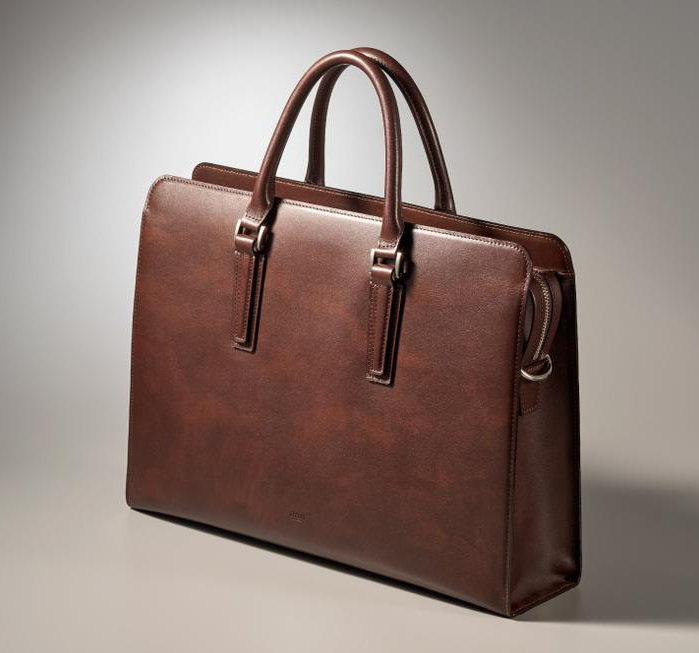
Different leather types provide different levels of firmness, flexibility, and support. Firmer leather can help a bag maintain a defined silhouette, making it suitable for briefcases, structured totes, and business bags. Softer leather allows the body to move more naturally, creating a relaxed appearance for casual shoulder bags and slouchy handbags.
Leather thickness alone does not determine how structured a bag will be. The material’s flexibility, finishing process, panel size, and overall construction also influence the final shape.
2 Why Panel Design Matters
A leather bag is assembled from individual panels that form its front, back, sides, base, and other sections. The dimensions and shape of these panels affect the bag’s proportions, capacity, and appearance.
Accurate pattern development helps ensure that the panels fit together properly during production. Poorly matched components may create uneven corners, unwanted wrinkles, or an inconsistent silhouette. Careful cutting and assembly help the finished bag follow the intended design.
3 Internal Reinforcement and Support
Some leather bags use additional materials to support areas that need to retain their shape. Reinforcement may be added to the base, front panel, back panel, or other sections depending on the design.
These supporting layers can help reduce unwanted sagging and maintain a more consistent profile. However, excessive reinforcement may make a bag unnecessarily stiff or heavy. The appropriate construction should balance shape retention, weight, flexibility, and carrying comfort.
4 The Importance of the Base and Side Panels
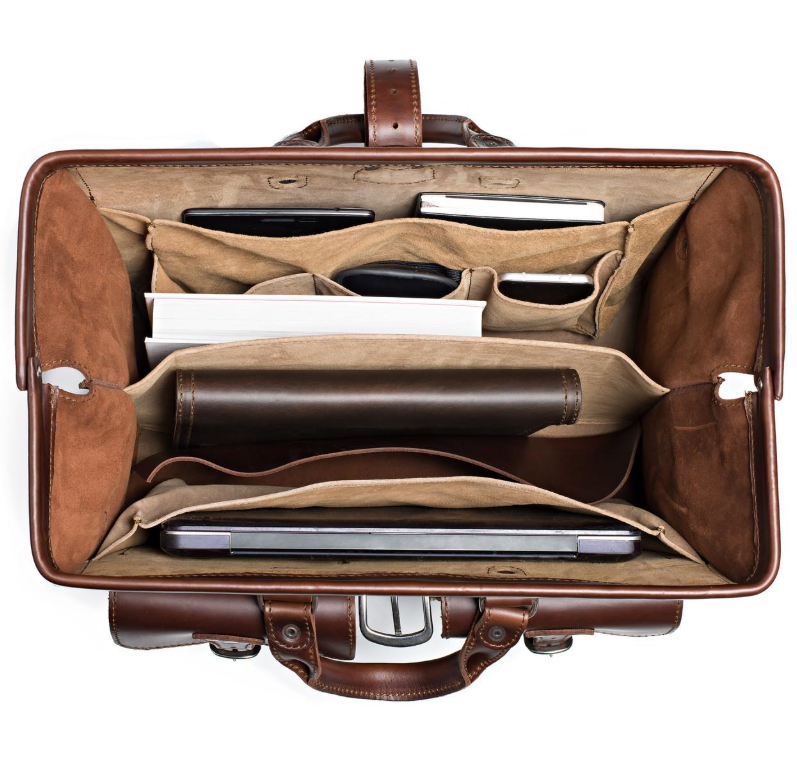
The base of a bag helps support its contents, while the side panels influence its depth and overall capacity. A well-designed base can help a bag stand more steadily when placed on a flat surface, provided the construction and load are suitable.
Side panels also affect how the bag expands when filled. Their dimensions and attachment points should be designed to work with the front and back panels, creating a balanced structure without unnecessary bulk.
5 How to Evaluate Bag Shape and Construction
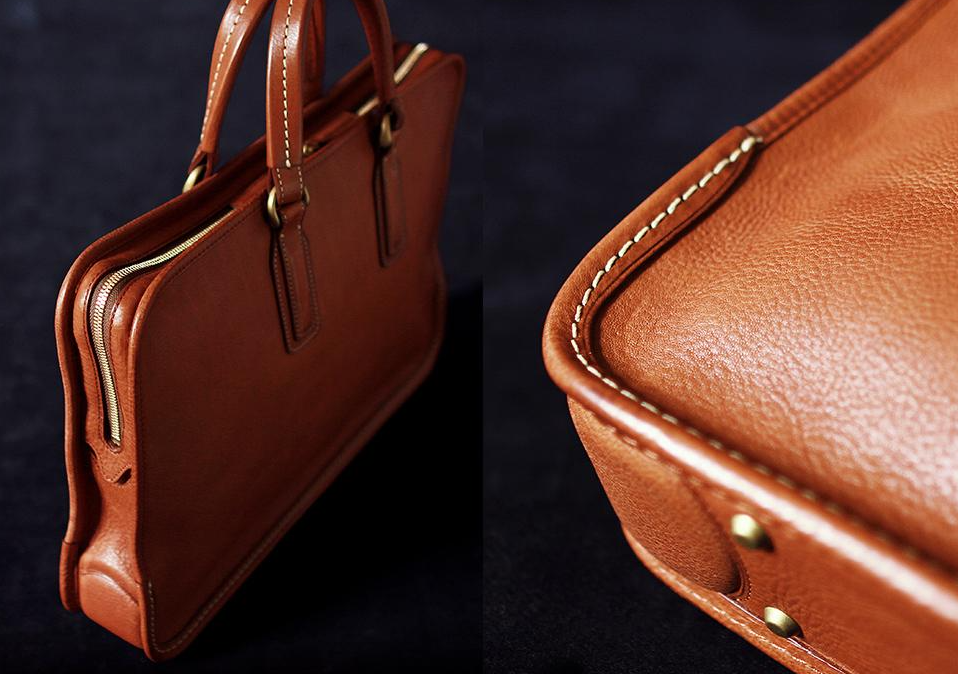
When inspecting a leather bag, look at its overall symmetry, panel alignment, corners, and base. Place the bag on a level surface if it is designed to stand upright, and observe whether it maintains its intended shape under normal conditions.
Check for excessive wrinkles, uneven edges, or visible distortion around assembled sections. For product development and bulk sourcing, buyers can confirm the intended dimensions and shape through sample approval before mass production.
Conclusion
A leather bag’s structure results from the combination of material selection, panel design, reinforcement, and assembly techniques. Each factor contributes to the bag’s silhouette, capacity, and practical performance.
By understanding these construction details, buyers and brands can select or develop leather bags that achieve the right balance between appearance, functionality, and comfort.
Post time: Oct-27-2026


