As more people pay attention to environmental impact, sustainable leather bags are becoming a topic of interest for consumers and brands. Genuine leather can be a long-lasting material, but its environmental impact depends on how hides are sourced, how leather is processed, and how long the finished product remains in use. Understanding these factors helps buyers make more informed decisions.
1
The Value of Long-Lasting Materials
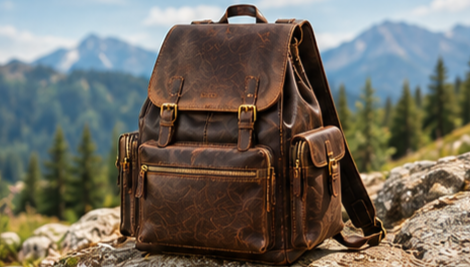
A well-made leather bag can serve its owner for many years when properly cared for. Durable construction and timeless design can reduce the need for frequent replacement, helping extend a product’s useful life. However, longevity depends on material quality, manufacturing methods, and everyday use.
2
Responsible Leather Processing
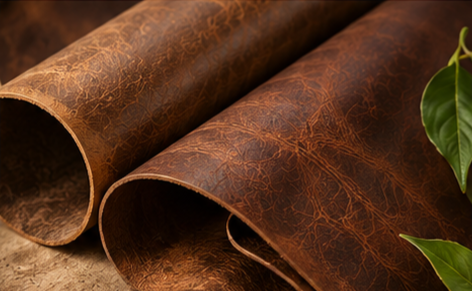
Leather processing can involve water, energy, and chemical inputs. Different tanning and finishing methods have different environmental impacts, so buyers should look for clear information about how materials are processed. Responsible suppliers should be able to explain their material choices and provide relevant documentation when available.
3
Designing Bags for Long-Term Use
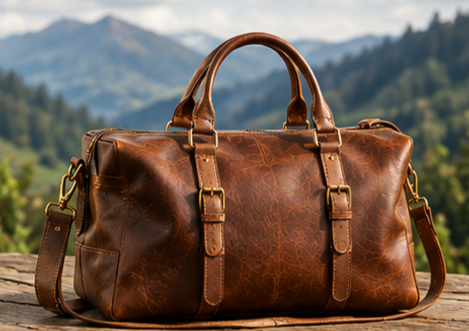
Product design also influences sustainability. Practical layouts, durable components, and versatile styles can make bags useful across different situations and seasons. Products designed for regular use may offer better long-term value than items that quickly become unsuitable or need replacement.
4
Understanding Certifications and Material Claims
Certifications and supplier documentation can help buyers evaluate environmental and social responsibility claims. Standards such as the Global Recycled Standard (GRS) apply to recycled materials and related supply-chain requirements; they do not automatically certify conventional genuine leather as sustainable. Buyers should verify which materials, facilities, and processes are covered by each certificate.
5
How Buyers Can Make More Informed Choices
When sourcing leather bags, consider material traceability, manufacturing practices, product durability, and the supplier’s ability to provide supporting documentation. Ask specific questions about leather sourcing, chemical management, quality control, and production standards instead of relying on broad terms such as “eco-friendly” or “green.”
Conclusion
More responsible leather bag production involves several factors, including material sourcing, processing, product design, and long-term usability. By evaluating these factors carefully and checking sustainability claims against reliable documentation, brands and buyers can make better-informed sourcing decisions.
Post time: Oct-15-2026


