One of the distinctive qualities of genuine leather is its ability to change in appearance over time. With regular use, certain leather types develop a patina—a gradual change in color, texture, and surface character that makes each product more individual. Understanding patina helps buyers recognize the natural characteristics of leather and choose products that match their preferences.
1 What Is Leather Patina?
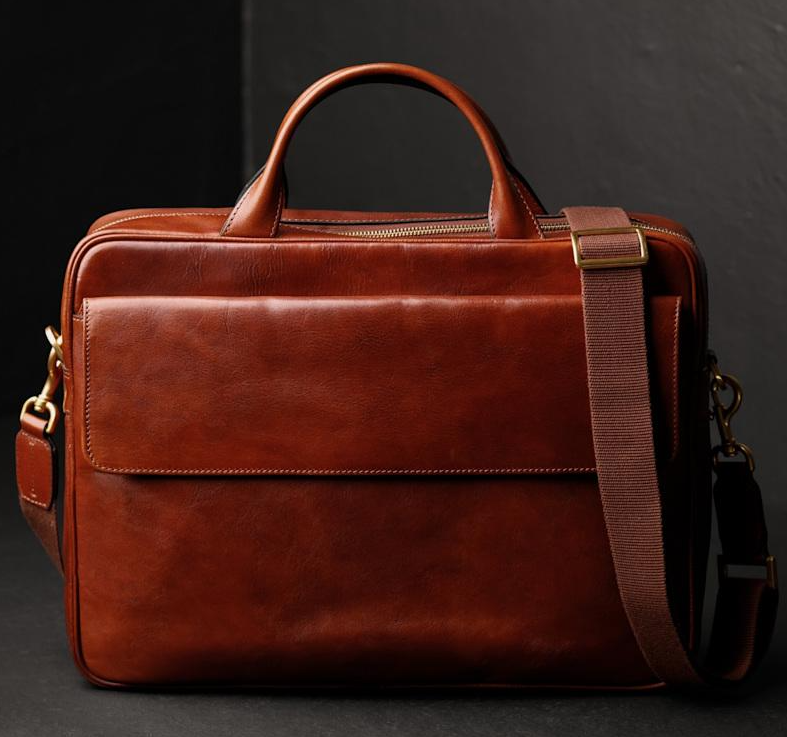
Leather patina refers to the changes that develop on the surface of leather through use and environmental exposure. Depending on the leather type and finish, the surface may become smoother, the color may deepen, or subtle variations may become more visible.
Patina does not develop in the same way on every leather product. Some finishes show noticeable changes, while coated or heavily treated surfaces may retain a more consistent appearance.
2 What Influences Patina Development?
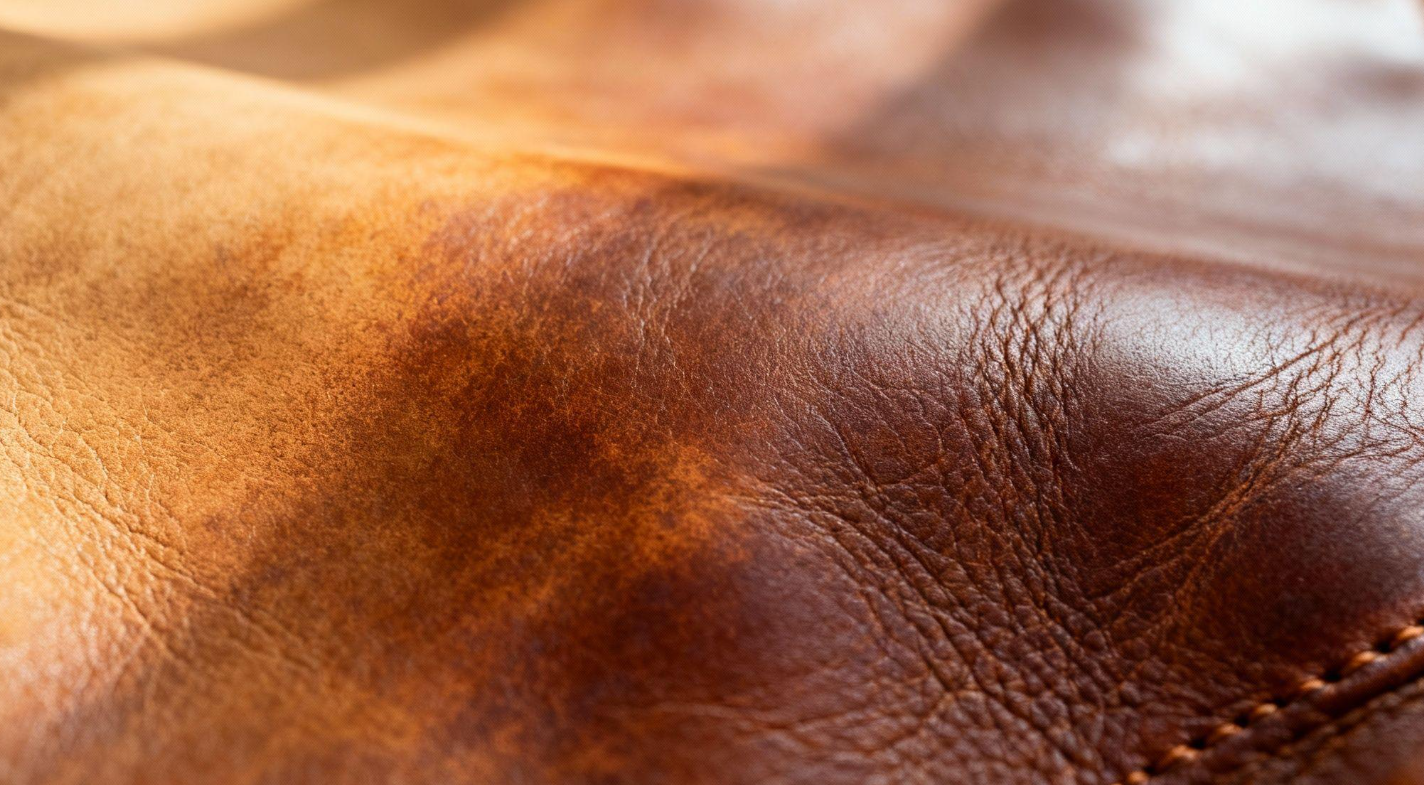
Several factors influence how leather develops patina, including the tanning method, surface finish, frequency of use, exposure to light, and contact with natural oils from the hands.
Vegetable-tanned leather and certain oil-waxed leathers are often appreciated for their ability to develop visible character over time. However, the result varies by leather construction and finishing process, so not every genuine leather bag will develop the same effect.
3 Why Do Some Buyers Appreciate Patina?
For many leather enthusiasts, patina adds depth and individuality to a product. Gradual changes can create a vintage appearance and make a frequently used bag feel personal.
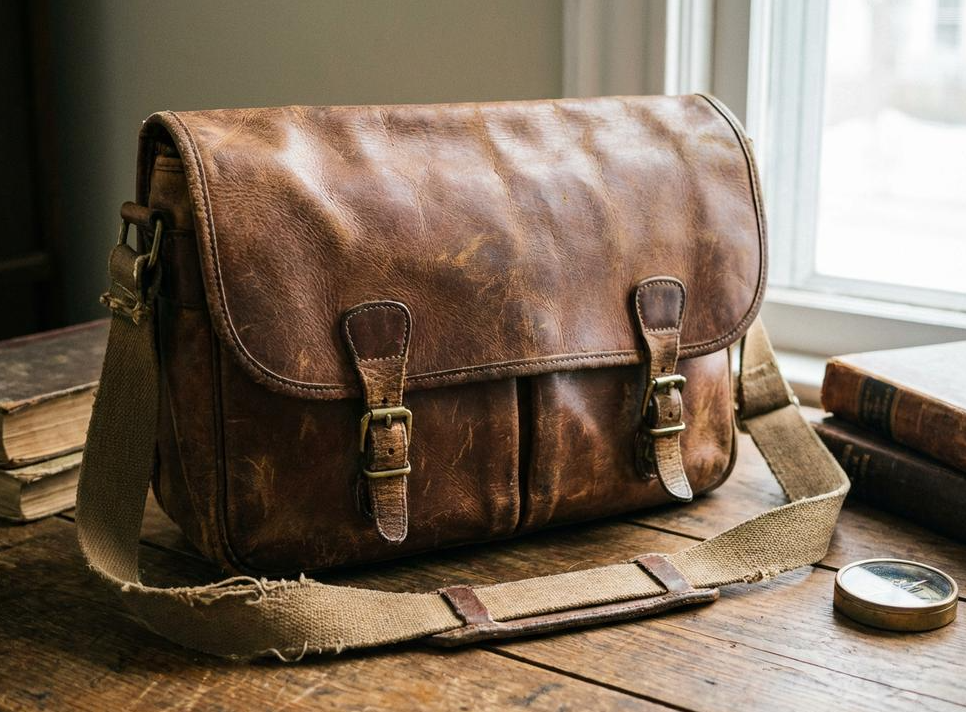
For brands, the expected aging characteristics of leather can also influence product positioning. A structured business bag may be designed to maintain a consistent appearance, while a vintage-inspired bag may intentionally feature leather that develops more visible character.
4 How Can You Maintain Leather as It Ages?
Allow leather to age naturally while protecting it from excessive moisture, prolonged direct sunlight, and unnecessary friction. Remove surface dust with a soft cloth and use leather care products only when they are suitable for the specific finish.
Avoid trying to accelerate patina with harsh chemicals or uncontrolled exposure to sunlight. These methods may cause uneven discoloration or damage rather than a desirable natural finish.
Conclusion
Leather patina reflects the interaction between material characteristics, finishing techniques, and everyday use. Although it does not develop uniformly across all leather types, it can add distinctive character to suitable leather products.
By understanding how patina forms, buyers can better appreciate the differences between leather finishes and select bags that align with their preferred appearance and long-term use.
Post time: Oct-25-2026


