If you’ve shopped for leather products, you’ve seen “vegetable tanned” and “chrome tanned.” Understanding the difference helps you choose the right leather—and know how it ages.
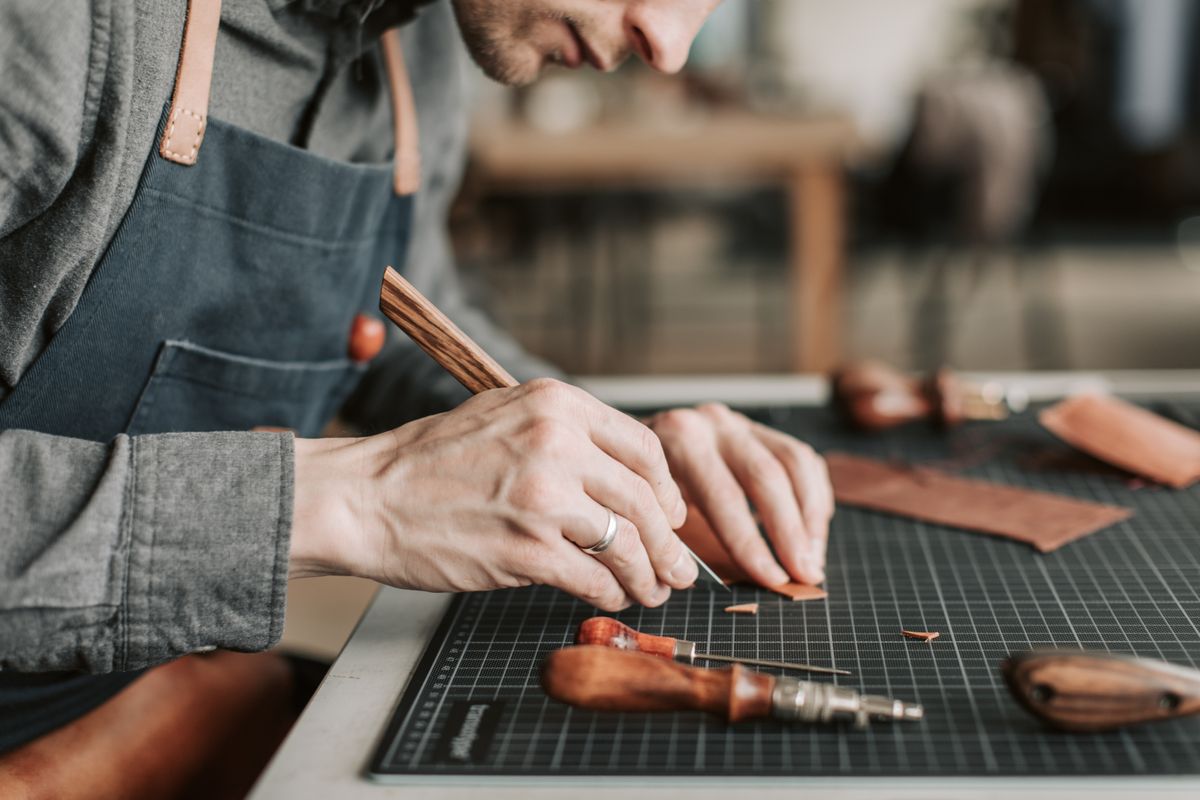
A skilled craftsman working with premium leather hides.
1.What Is Tanning?
Tanning converts raw animal hides into durable leather. Two methods dominate: vegetable tanning and chrome tanning, each with distinct characteristics.
2.Vegetable Tanned Leather
The oldest method, using natural tannins from tree bark and fruits like oak and chestnut.
- • Patina: Develops a rich golden-brown patina over time.
- • Texture: Firm and structured—ideal for belts, wallets, and classic bags.
- • Production: Slow, taking 30–60 days.
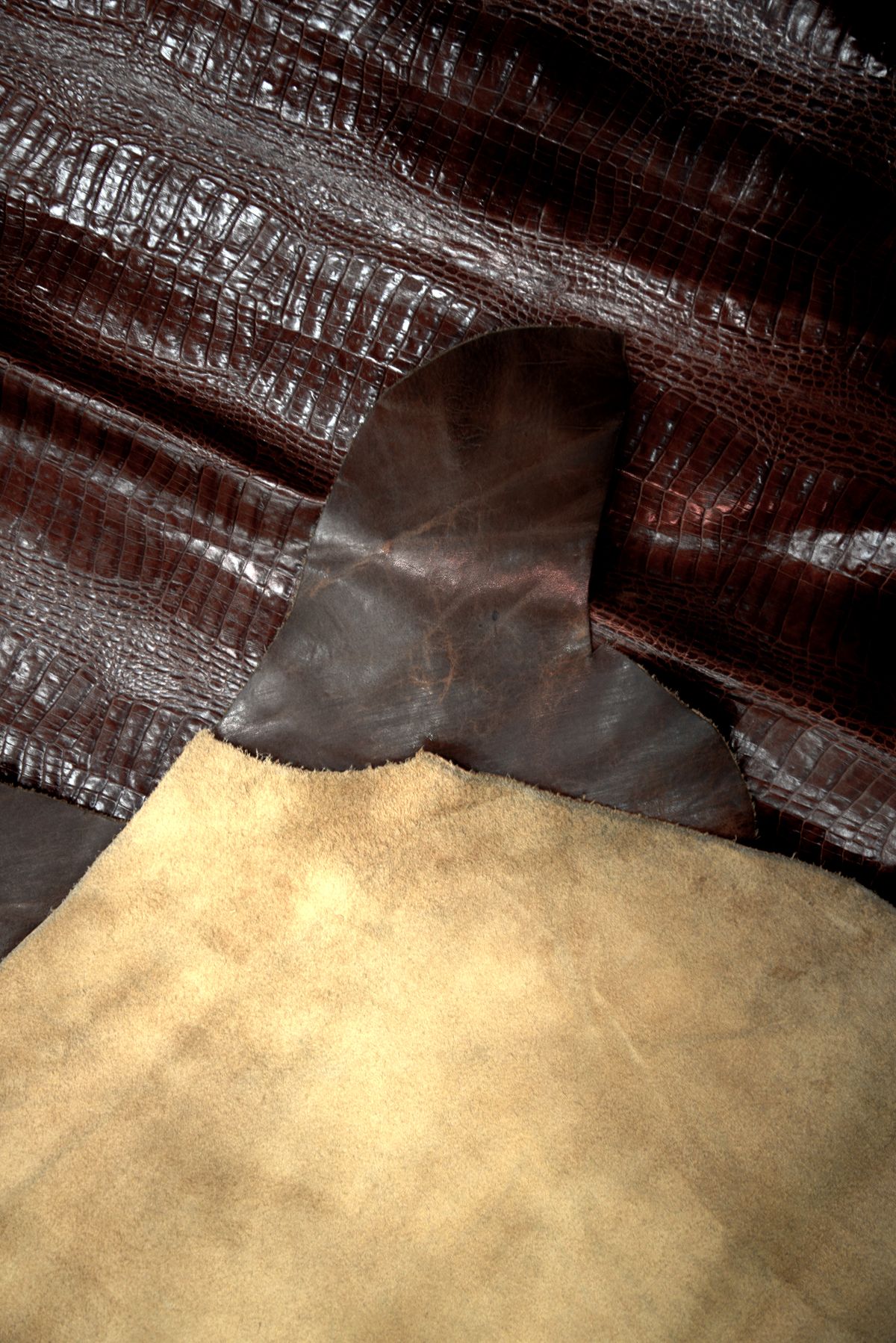
Natural-tone vegetable tanned leather develops a rich patina over time.
Veg-tan leather tells a story. Every scratch and hour in the sun adds character. No two pieces age the same.
3.Chrome Tanned Leather
Developed in the 19th century using chromium salts. The process is fast—under 24 hours.
- • Color: Wide range of vibrant, consistent colors.
- • Texture: Soft and pliable—great for garments and soft bags.
- • Aging: Stays consistent; does not develop a patina.
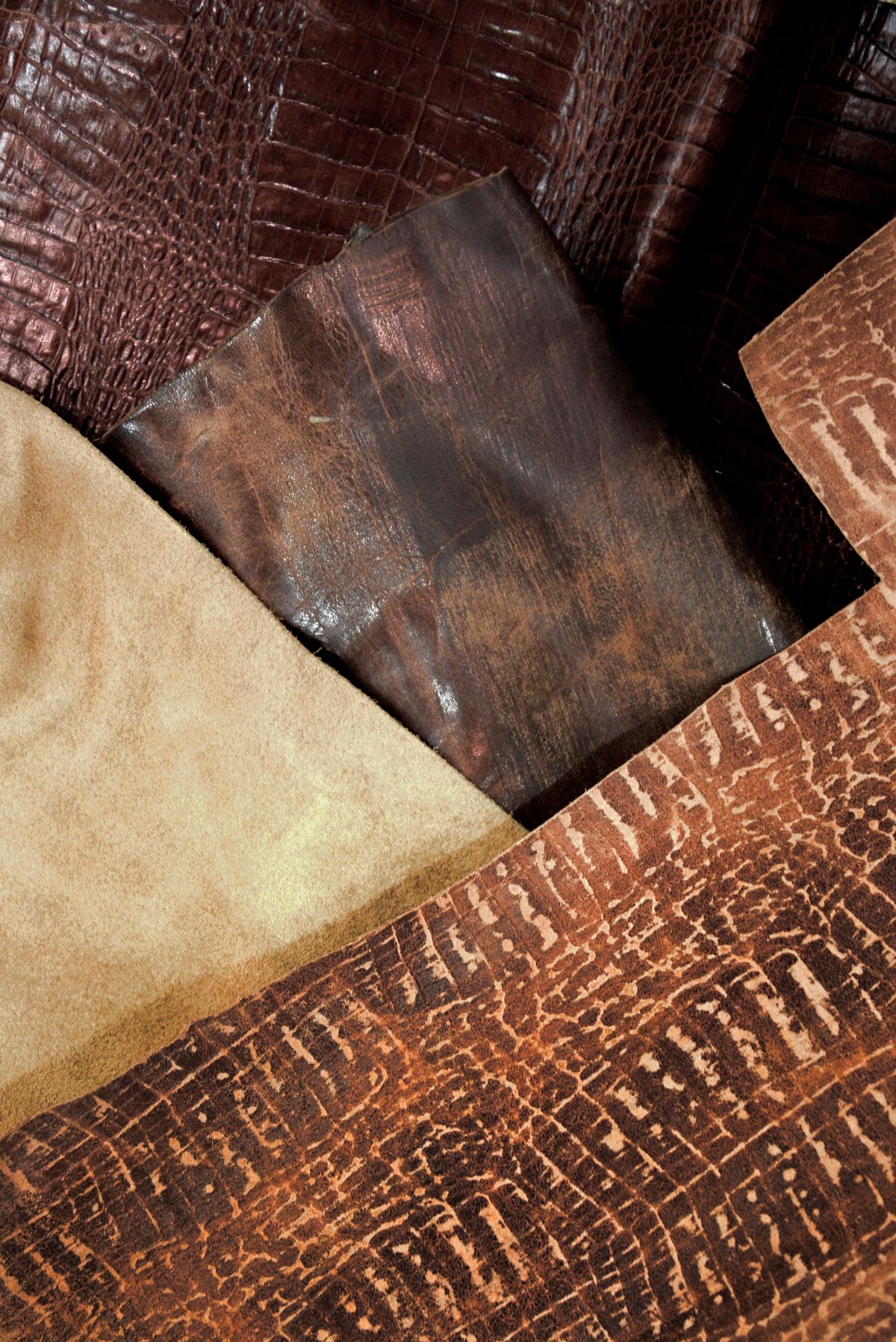
Chrome tanned leather offers a wide variety of colors, textures, and finishes.
4.Which Should You Choose?
- Vegetable tanned for wallets, belts, and structured bags that age beautifully.
- Chrome tanned for everyday fashion bags needing softness, color variety, and affordability.
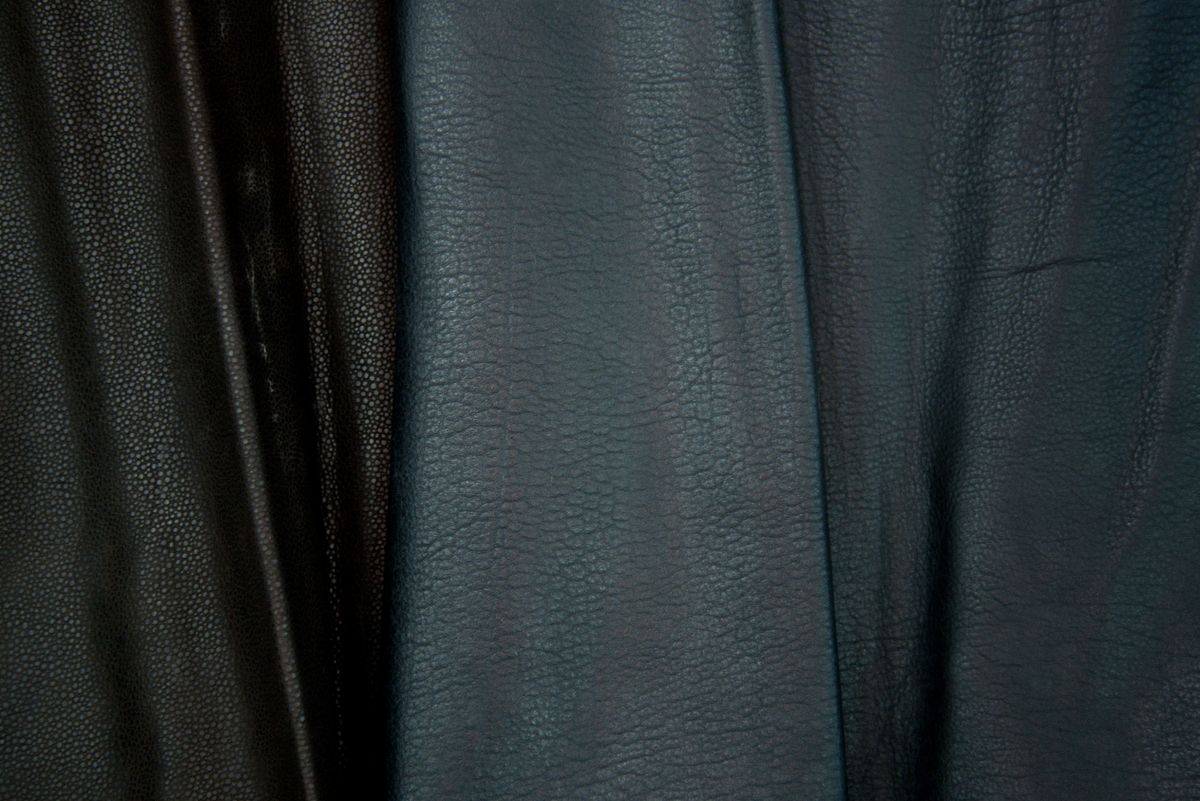
Premium full-grain leather hides ready for skilled craftsmanship.
DUJIANG Tip
Many premium products combine both: veg-tan for structure, chrome-tan for soft accents.
At Guangzhou Dujiang, we work with both methods to match your product’s purpose and brand values.
Post time: Aug-21-2026


