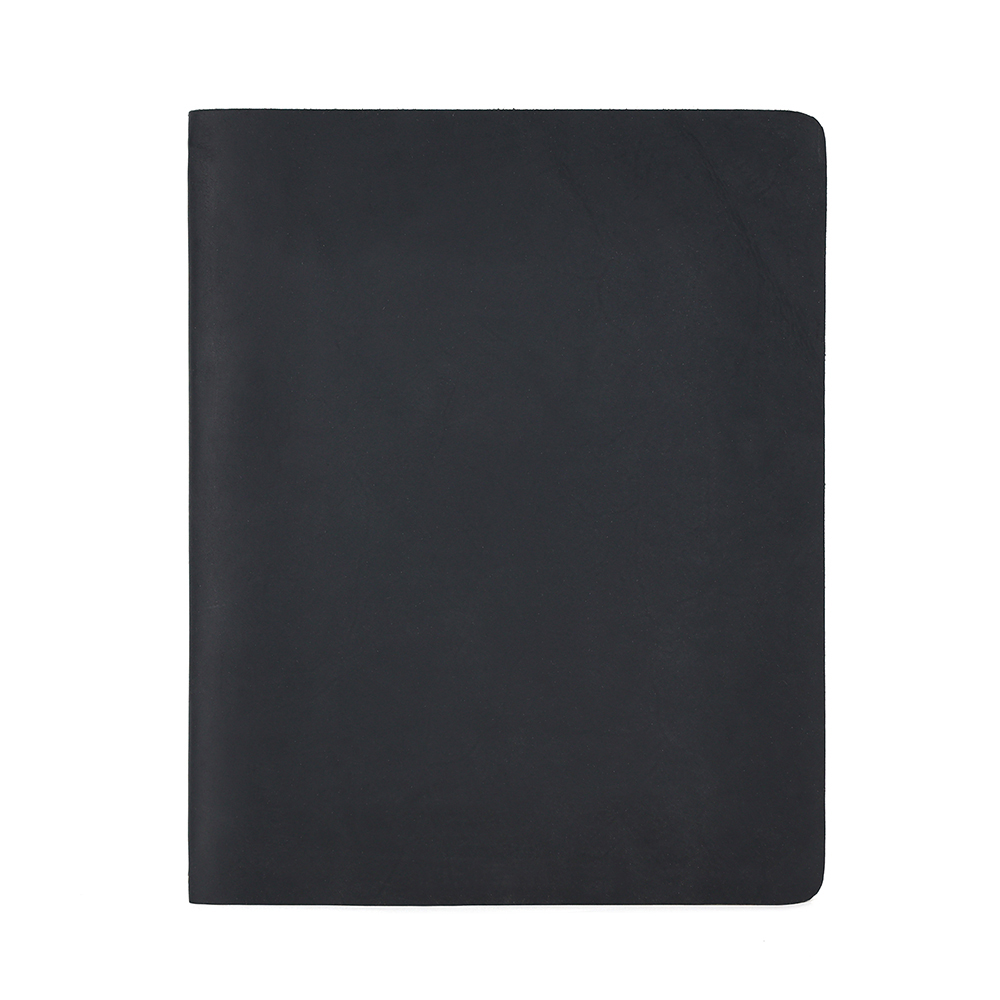
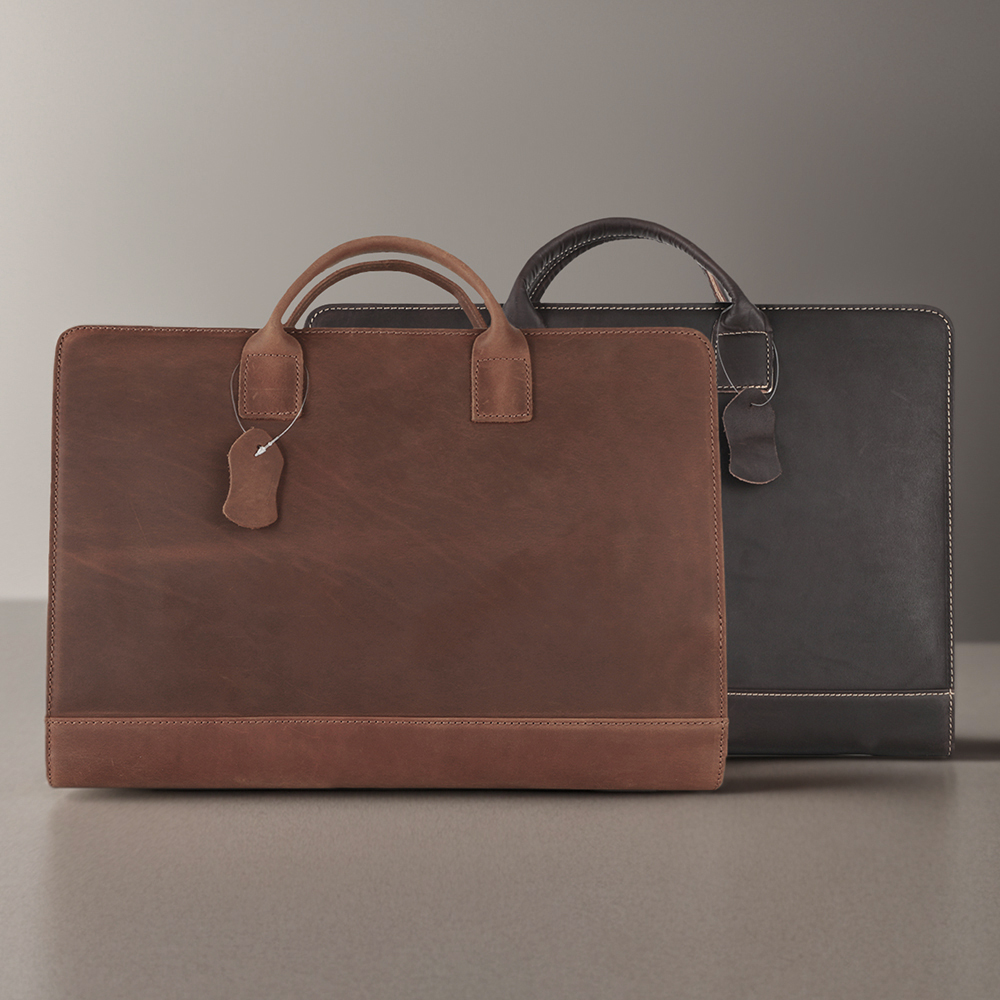
I present the Retro handmade leather A7 ring binder notebook for wholesale partners who value timeless craftsmanship. As a manufacturer myself, I understand what buyers in bulk look for—consistent quality, steady supply, and easy customization. This notebook features full-grain leather, hand-stitched spine, and a reliable ring binder that keeps pages secure yet easy to refill. The retro vibe fits practical A7 size, ideal for on-the-go meetings, journaling, or field notes in your catalog. We offer Wholesale pricing, MOQ options, and private-label packaging for Manufacturers seeking brand equity in the stationery market. Each binder is handmade, with natural leather patina that grows with use, making every unit one of a kind. Durability is key—the rings resist snagging and the pages lie flat for comfortable writing. Ready to partner? I’m here to discuss bulk quantities, lead times, and customization to fit your catalog.
Global procurement teams seeking premium yet practical notebooks will value a retro handmade leather A7 ring binder. Its compact size travels well, while a configurable ring mechanism accommodates different insert formats for planners, reports, or field notes. Each cover, crafted in full‑grain or vintage‑look leather, develops a unique patina, with precise hand stitching and refined edge finishing. Buyers can tailor leather type, color, stitching, and branding touches such as debossing or foil, and specify ring counts, pockets, and layouts through true OEM/ODM capabilities to fit their specification. This combination of material integrity and scalable service helps it outshine rivals: durable construction, refillable pages, and predictable lead times enable lower total cost of ownership. Flexible MOQs and rapid prototyping support global rollout, while responsible sourcing and protective packaging add value for distributors and retailers striving for a premium, long‑lasting product across markets.
| Feature | Detail | Typical Value | Notes |
|---|---|---|---|
| Cover outer dimensions | Overall cover size (W x H) | 110 mm x 170 mm | Closed notebook with leather spine |
| Insert page size | Inserts used for the binder | A7 inserts: 74 x 105 mm | Standard size for this format |
| Ring system | Ring configuration | 2-ring binder | Sturdy and compact |
| Ring diameter | Ring size | 12 mm | Capacity about 60–70 sheets |
| Material | Cover material | Full-grain leather | Natural variation in grain and texture |
| Finish | Leather finish | Distressed antique | Vintage look and character |
| Capacity (inserts) | Insert sheets | 80 sheets (160 pages) | Suitable for journaling and notes |
| Paper weight | Insert paper weight | 80 g/m² | Cream/ivory tone options often available |
| Closure | Closure type | Optional leather strap (detachable) | Not all variants include a closure |
| Weight | Notebook weight | Approximately 300 g | Depends on thickness and leather grain |
| Durability rating | Overall durability | 4.4 / 5 | Based on tests and field use of stitching and leather |
| Water resistance | Leather water exposure | Moderate | Leather treated; not fully waterproof |